PDC, Twilio.org, UMBC collaborate on new disaster early warning for Colombia’s most vulnerable communities

Pacific Disaster Center, Twilio.org, and UMBC help strengthen early warnings and landslide risk awareness in Colombia.

By PDC, Twilio.org, UMBC, SGRED

03/02/2026
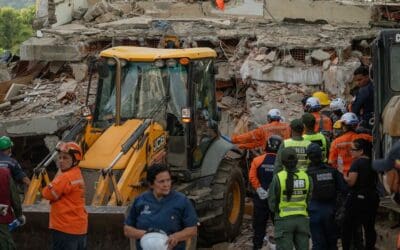
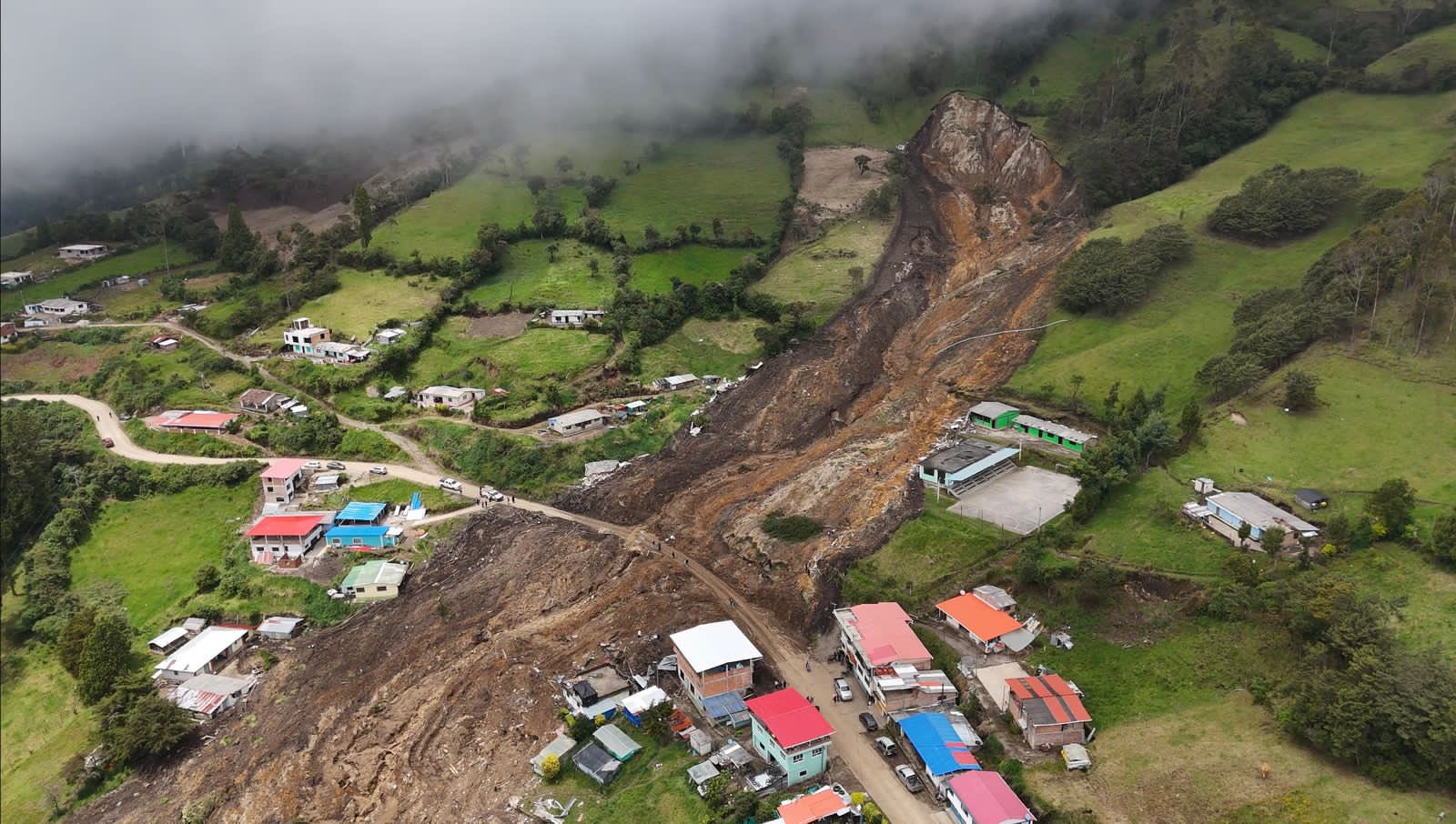
Colombia’s national disaster management organization, Unidad Nacional para la Gestión del Riesgo de Desastres (UNGRD), responds to a February 6, 2026 landslide that buried several homes in the rural area of Mallama, Nariño. Landslides pose a major risk across the nation, including for the populous city of Cali, Colombia.
Photograph: UNGRD
Pacific Disaster Center (PDC) has announced a groundbreaking technology and risk-reduction collaboration with Twilio.org and the City of Cali, Colombia to strengthen disaster early warning communications and landslide risk awareness. Funded by Twilio.org, and in collaboration with the University of Maryland, Baltimore County (UMBC), the initiative will ensure that critical disaster information reaches vulnerable communities quickly, clearly, and in their native language.
The project will leverage PDC’s DisasterAWARE platform and enhance Twilio-powered multilingual alerts—enabling WhatsApp distribution, and building local capacity to deliver life-saving information. In addition, PDC will build operational capacity on use of the technology among Cali’s disaster management organization, Sistema de Gestión de Riesgos de Emergencias y Desastres (SGRED).
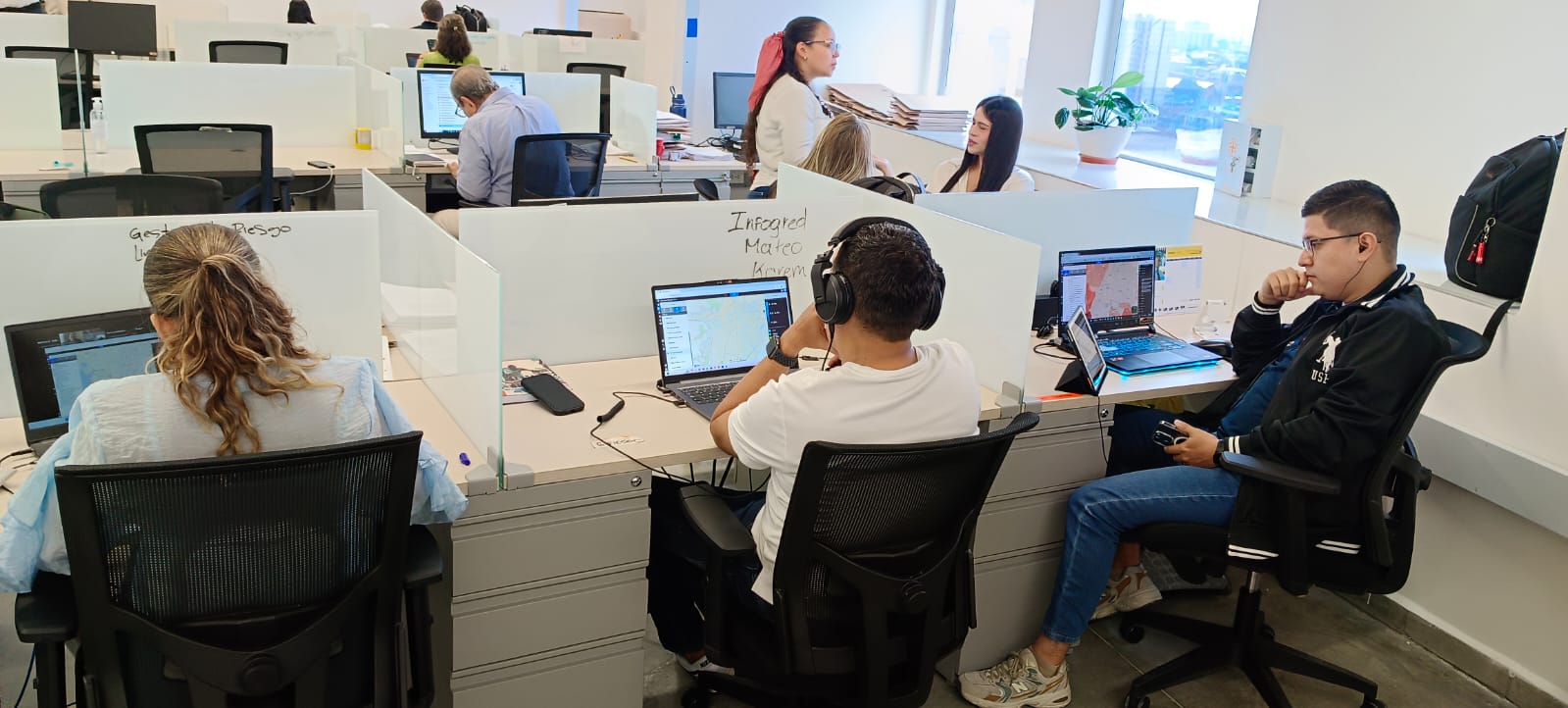
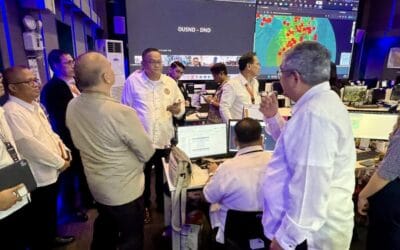
The PDC–Twilio project was initiated with stakeholders in Cali, Colombia in February 2026. The engagement included Cali’s emergency management agency (SGRED), the Mayor’s Office, other city and regional government agencies, and partner universities from the U.S. and Colombia. The Center delivered the first DisasterAWARE landslide risk analysis training to 11 SGRED response operations staff during the initiation of the project.
Photograph: SGRED
PDC’s free Disaster Alert app already reaches more than three million subscribers worldwide, providing public access to crucial real-time hazard information. By adding new technologies such as WhatsApp and automated Spanish translations, PDC will expand its ability to reach those most in need, including underserved and hard-to-reach populations not only in Cali, but around the globe.

The project focuses on developing new communication mechanisms within DisasterAWARE and supporting local institutions in operationalizing DisasterAWARE Pro as a real-time decision-support and alerting tool. It also expands landslide risk analysis tools and capabilities for early warning within the DisasterAWARE platform to mitigate risk for landslide-prone communities in Cali. By combining technology innovation and risk analysis with capacity-building and collaboration, the initiative aims to close critical information gaps that often place at-risk populations at greater danger during emergencies.

“We share a common goal of reducing risk, protecting lives, and strengthening resilience in Cali. This project builds on years of strengthening early warning capabilities and reflects the value of our partnership with PDC and UMBC.”

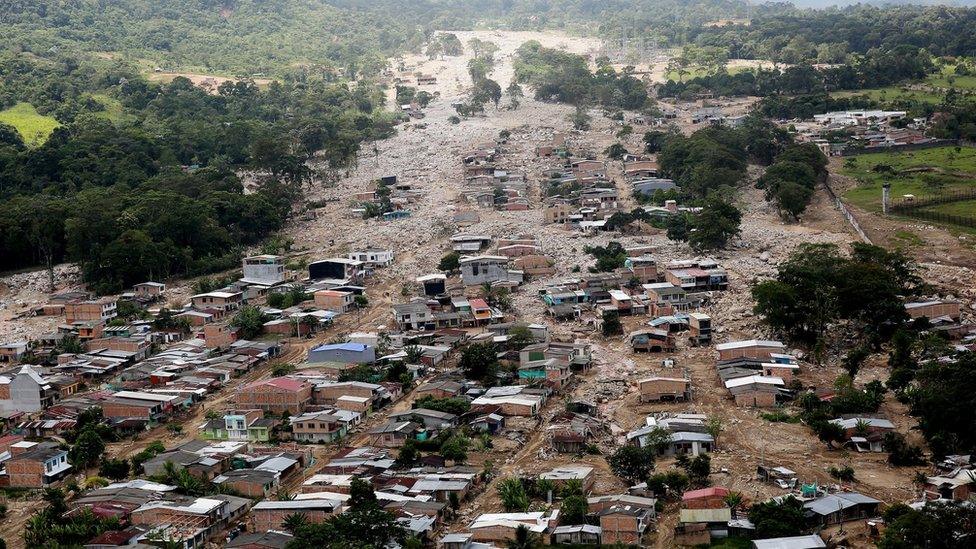
After torrential rains on March 31, 2017, a massive landslide tore through Mocoa, Colombia, sweeping away numerous homes and killing more than 300 people. This devastating scene is a stark reminder that landslides are not random events—they are often the result of identifiable risk factors. The team at PDC, Twilio.org, and UMBC will work with the government of Cali to help strengthen landslide risk awareness by investing in early warning systems, enabling improved planning to help anticipate landslide risks, and to protect vulnerable populations before disaster strikes.
Photograph: EPA
“We share a common goal of reducing risk, protecting lives, and strengthening resilience in Cali. This project builds on years of strengthening early warning capabilities and reflects the value of our partnership with PDC and UMBC,” said Ricardo Peñuela Munevar, SGRED Secretary for Risk Management, Emergencies and Disasters.

A central component of the initiative is the expansion of DisasterAWARE Smart Alerts to include WhatsApp as a supported alert distribution channel. With more than three billion active monthly users in over 180 countries, WhatsApp is one of the most widely used and trusted communication platforms globally, particularly in communities where mobile messaging is the primary means of receiving information. Integrating WhatsApp into Smart Alert will significantly extend PDC’s ability to deliver timely, actionable alerts directly to people where they already communicate.

We are excited to be working again with PDC on a project with such important goals…This work will build on our earlier partnership to provide real-time information on landslide hazard to anyone who needs it, all around the world.

“We are excited to be working again with PDC on a project with such important goals—protecting lives, communities, and lifelines in Cali. This work will build on our earlier partnership to provide real-time information on landslide hazards to anyone who needs it, all around the world. The current project will benefit from innovations in computing that will make it much faster to identify landslides from satellite imagery. We are encouraged by stakeholder desire to help implement—and then sustain—these efforts,” stated Thomas Stanley, Research Associate, University of Maryland, Baltimore County (UMBC).

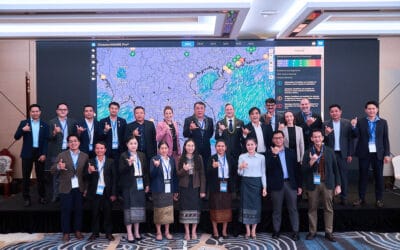
DisasterAWARE training conducted by PDC with SGRED underscored how anticipatory action requires advanced mapping of potential hazards, along with easy access to critical, life-saving population and infrastructure data.
Photograph: PDC, SGRED

“Participating in the project inception was rewarding. This initiative reflects our mission at Twilio.org: providing the digital technology and funding that help nonprofits and public sector organizations scale their reach to deliver life-changing services.”

Participating in the project inception was rewarding. This initiative reflects our mission at Twilio.org: providing the digital technology and funding that help nonprofits and public sector organizations scale their reach to deliver life-changing services. We applaud PDC, the City of Cali, UMBC, and the other organizations involved, and we will continue to support the team through a successful implementation,” said Lauren Hewitt, Twilio.org Director of Business Operations, Social Impact.

PDC will apply artificial intelligence technologies to automate the translation of alert content into Spanish, ensuring that essential information about what is happening, where it is occurring, and how severe the situation is, can be understood immediately by local audiences. Additional DisasterAWARE-supported languages are expected to follow, further expanding access for diverse and multilingual communities.

“This project breaks new ground for the Center in many ways: Our collaboration with Twilio.org, working with a large municipality like Cali, and new ways to communicate with those at most risk,” stated PDC Director of Early Warning Solutions Chris Chiesa.

Through joint efforts with SGRED and partner organizations in Cali, the project will strengthen local capacity, enhance operational readiness, and improve the delivery of disaster information across Colombia and globally— helping to ensure early warnings for all.

Get quarterly updates about our innovations and projects!
(Email Registration) Quarterly Email Updates
First
Last

ABOUT PDC

Pacific Disaster Center (PDC) is a leading scientific innovator of global risk reduction science and technology. As a University of Hawai’i applied science and research center, our work intersects with a variety of government, community, academic, and scientific organizations at home and around the world to build resilience to natural and man-made hazards—enhancing the capacity to quickly and accurately anticipate and prepare for new and emerging threats. Our innovations in multi-hazard early warning systems, predictive analytics, data science, and machine learning provide decision-makers with the powerful tools and insights they need to navigate today’s complex and interconnected risk landscape.

Related News