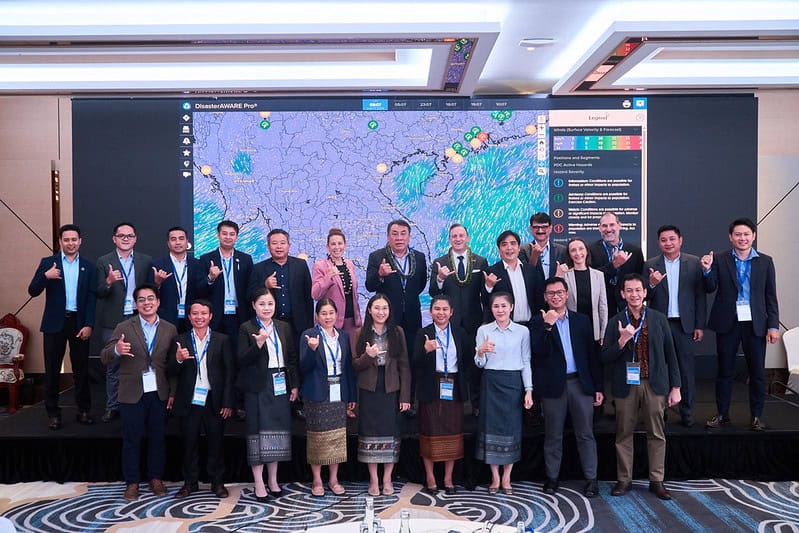
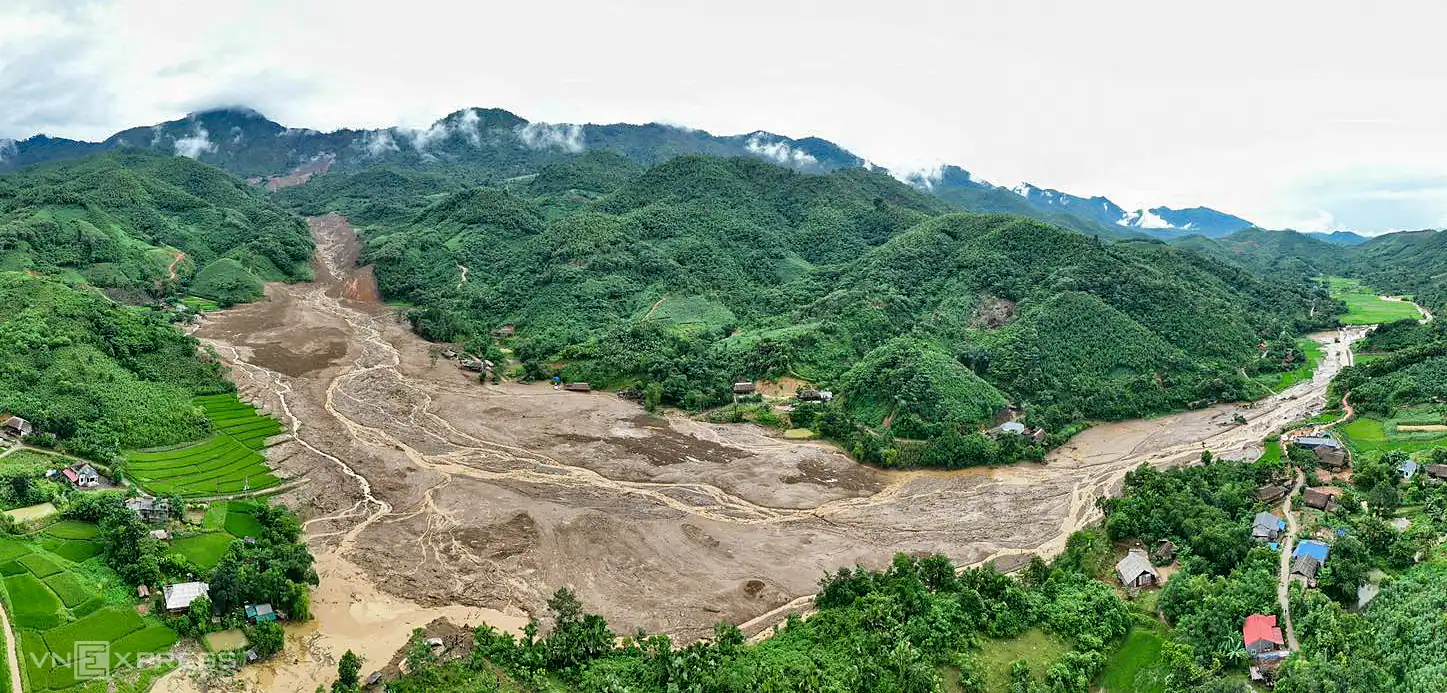
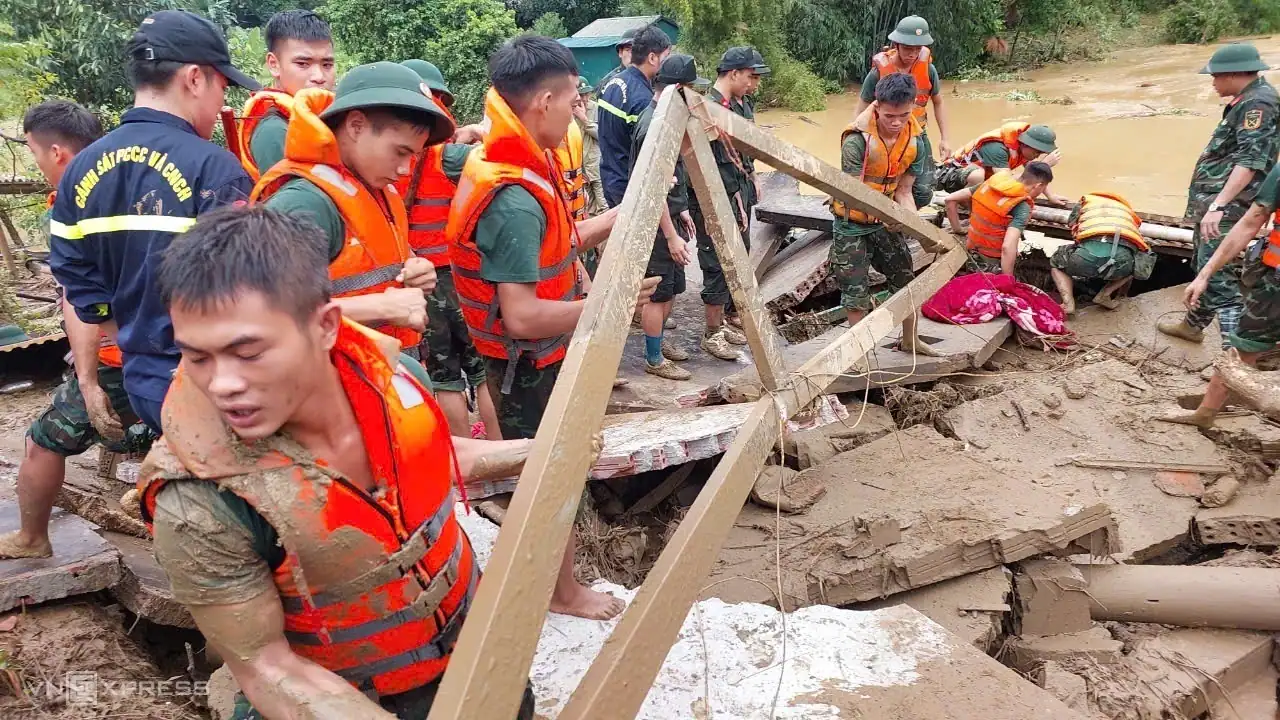
“Every disaster is ultimately local, its true impacts determined not by national averages, but by what exists on the ground in each community. Understanding risk in Lao PDR means understanding the distinct vulnerabilities of each community. The NDPBA program gives leaders at every level the subnational intelligence they need to act on those distinctions—with speed, confidence, and the full weight of verified data behind every decision,” said Dr. Erin Hughey, Deputy Executive Director, Pacific Disaster Center.
Turning data into action from day one
The assessment also provides a comprehensive analysis of national disaster management capacities, identifying gaps and limitations and providing tools to help prioritize investments across the nation.
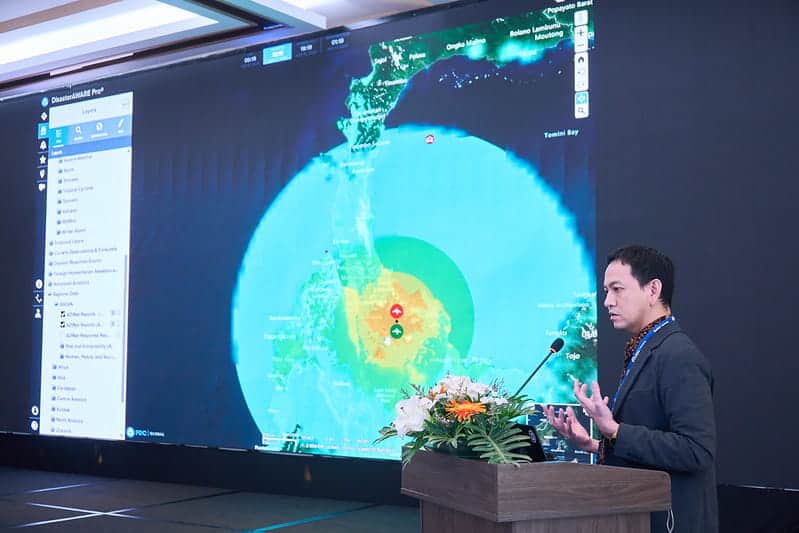
“A defining aspect of this program is that it does not ask countries to wait for a final assessment before seeing results. From the outset, assessment findings are integrated into PDC’s DisasterAWARE technology ecosystem to give nations an almost immediate picture of their real-world disaster risk profiles, the ability to share and exchange information, and the ability to understand vulnerabilities,” said Victoria Leat, Asia Pacific Advisor and Lao NDPBA Country Lead.
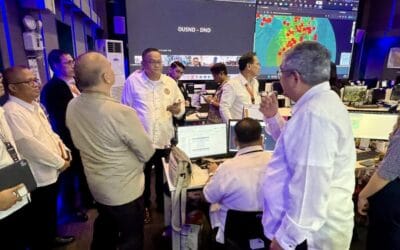
Through DisasterAWARE, decision-makers can monitor active hazards, rapidly assess potential impacts to vulnerable populations, critical infrastructure, and community lifelines to determine what actions are needed and which agencies to mobilize. DisasterAWARE grounds these capabilities in local data from day one.
A coalition for resilience
The timing of Lao PDR’s initiative is especially significant. A robust coalition of United Nations partners—including the World Food Programme (WFP), the United Nations Office for Disaster Risk Reduction (UNDRR), and the United Nations Development Programme (UNDP)—is already active in the country, and the assessment arrives at a moment when stakeholders are actively seeking to consolidate efforts, align data systems, and work more efficiently amid constrained resources.