Empowering readiness before impact: M7.8 Mindanao earthquake case study

The June 8 Mindanao earthquake demonstrated how years of investment in PhilAWARE, training, and operational integration of critical life-saving data enabled immediate situational awareness and coordinated decision-making across the Philippines national disaster response system...

By Chani Goering and Michael Chatman (co-author)

06/19/2026

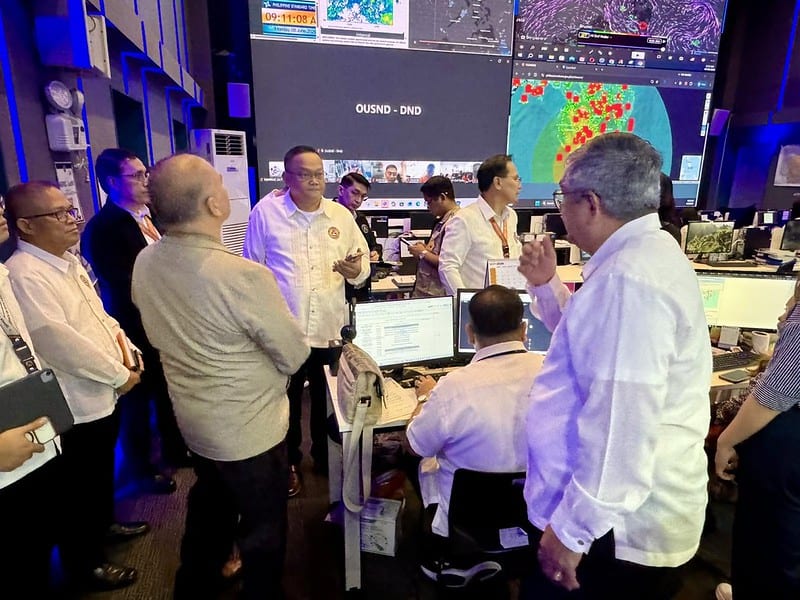
Pictured: Philippines Office of Civil Defense (OCD) coordinates response to a complex crisis following major impacts from a massive M7.8 earthquake in Mindanao, Philippines.

Photograph: OCD Philippines

At 7:37 a.m. on June 8, 2026, an M7.8 earthquake struck off the coast of Maasim, Sarangani—one of the most powerful earthquakes to affect the southern Philippines in years.

The rupture generated a tsunami warning across nine coastal provinces and triggered landslide threats across four regions. Tens of thousands of families were immediately forced to move to safety and responders had to act fast.

Earthquake Event Synopsis

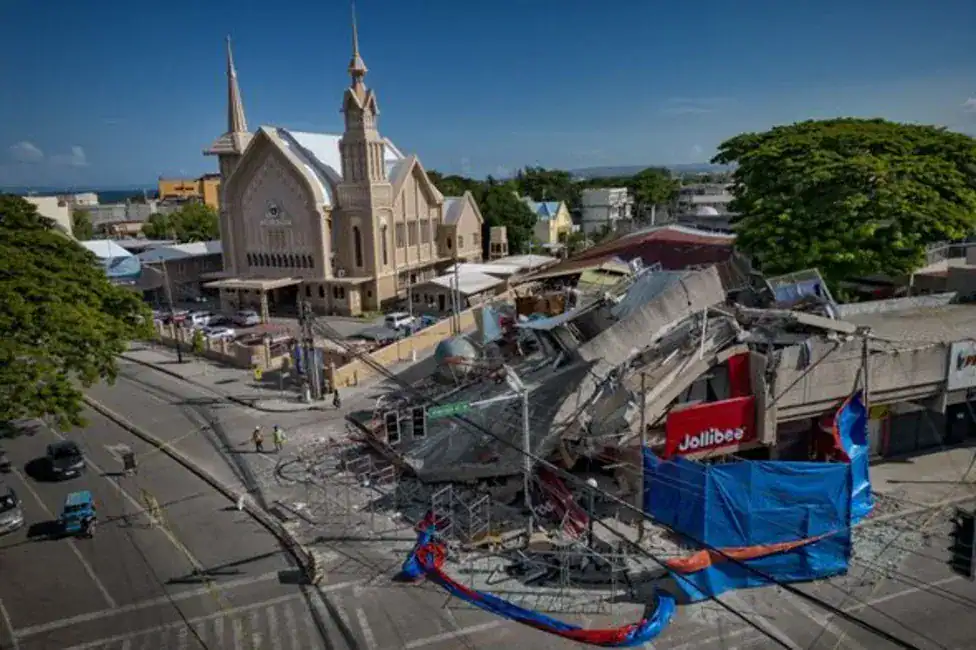
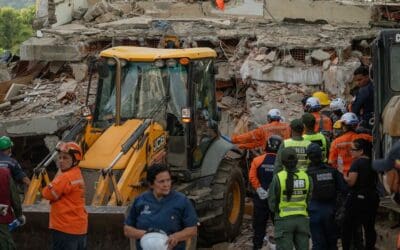
Collapsed building in General Santos, Mindanao Island, Philippines, after a 7.8 magnitude earthquake.

Photograph: AOL.com

Key Response Challenges

1
Thousands of aftershocks were recorded following the initial quake—with one as high as a magnitude 6.7—further increasing risks to already damaged structures and vulnerable populations.
2
The rupture generated a tsunami warning across nine coastal provinces and triggered landslide threats across four regions. Tens of thousands of families were immediately displaced.
3
Facing a complex crisis, the Philippines’ National Disaster Risk Reduction and Management Council (NDRRMC) and Philippines OCD had to mangage concurrent hazards including landslides, tsunami impacts, and damaged infrastructure.
4
Because search and rescue teams are most effective in the first hours following the collapse of buildings, responders had to operate without a complete picture, confronted with continuous aftershocks, widely disrupted communications, and blocked roads and access routes.

On June 8, 2026, a magnitude 7.8 earthquake struck off the coast of Maasim, Sarangani—one of the most powerful quakes to affect the southern Philippines in years. A tsunami warning was issued across nine coastal provinces.

Magnitude:7.8
Aftershocks:1,000+ up to M6.7
Epicenter:Maasim, Sarangani
Persons Affected:1,384,229
Families Affected:337,195
Tsunami Warning:9 provinces
Still Displaced:83,064 persons
Evacuation Centers:46 active
Homes Damaged:67,988
Homes Destroyed:12,386

Source: Philippines’ Department of Social Welfare and Development DROMIC Report #15, June 15, 2026

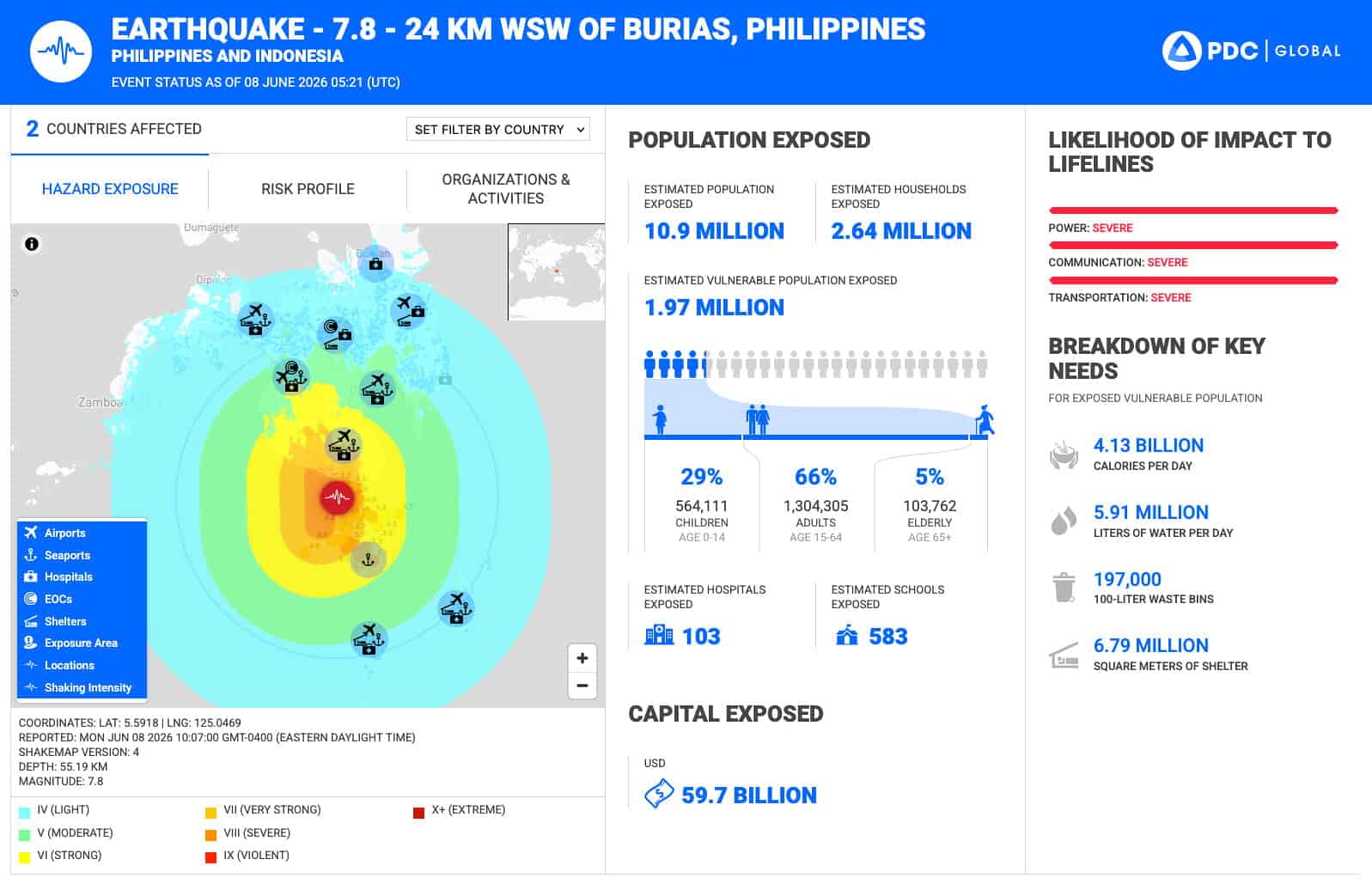
A PDC Event Brief was generated within minutes of impact, providing critical insights for response mobilization.

Making decisions at scale in a race against the clock

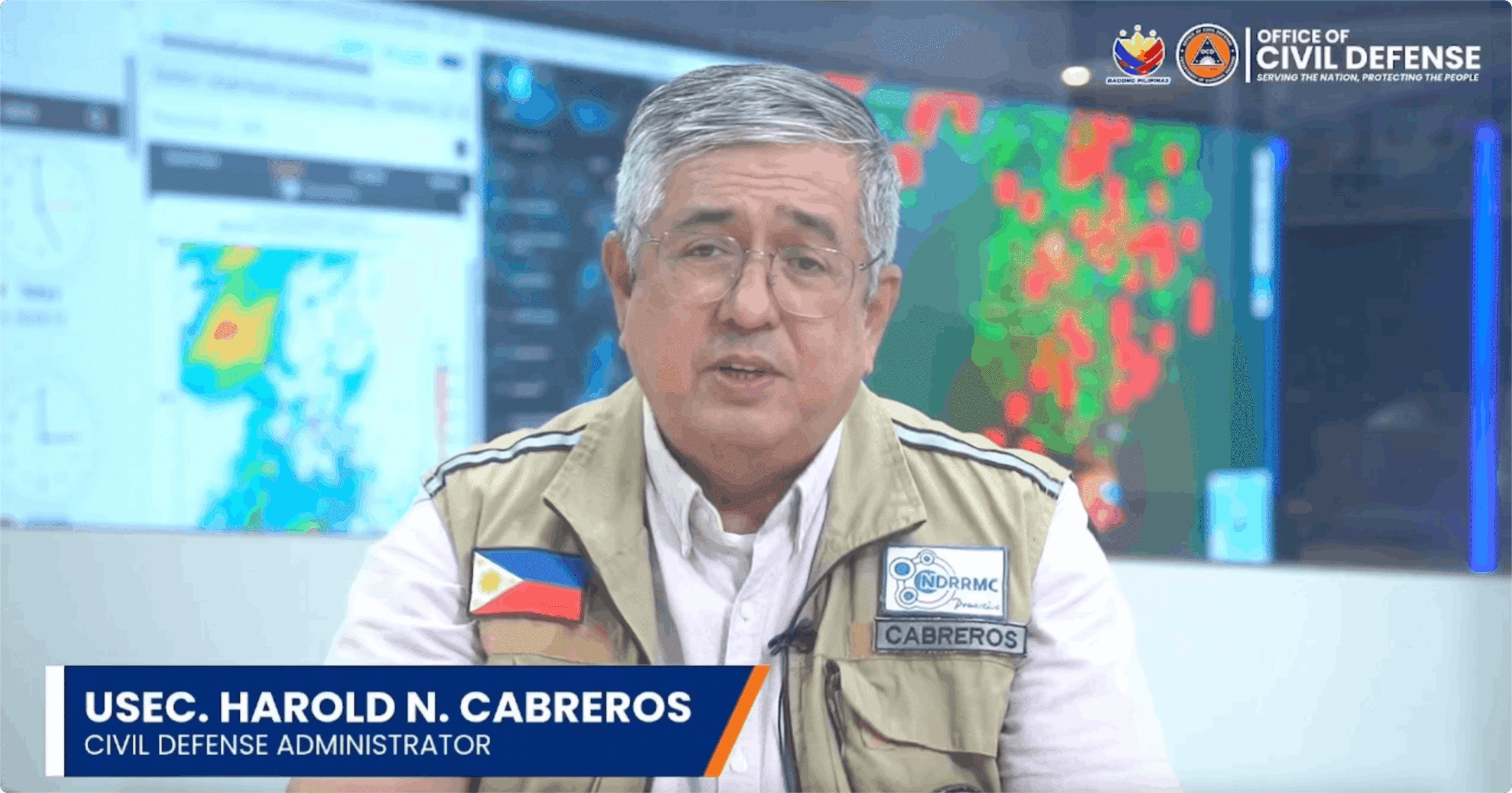
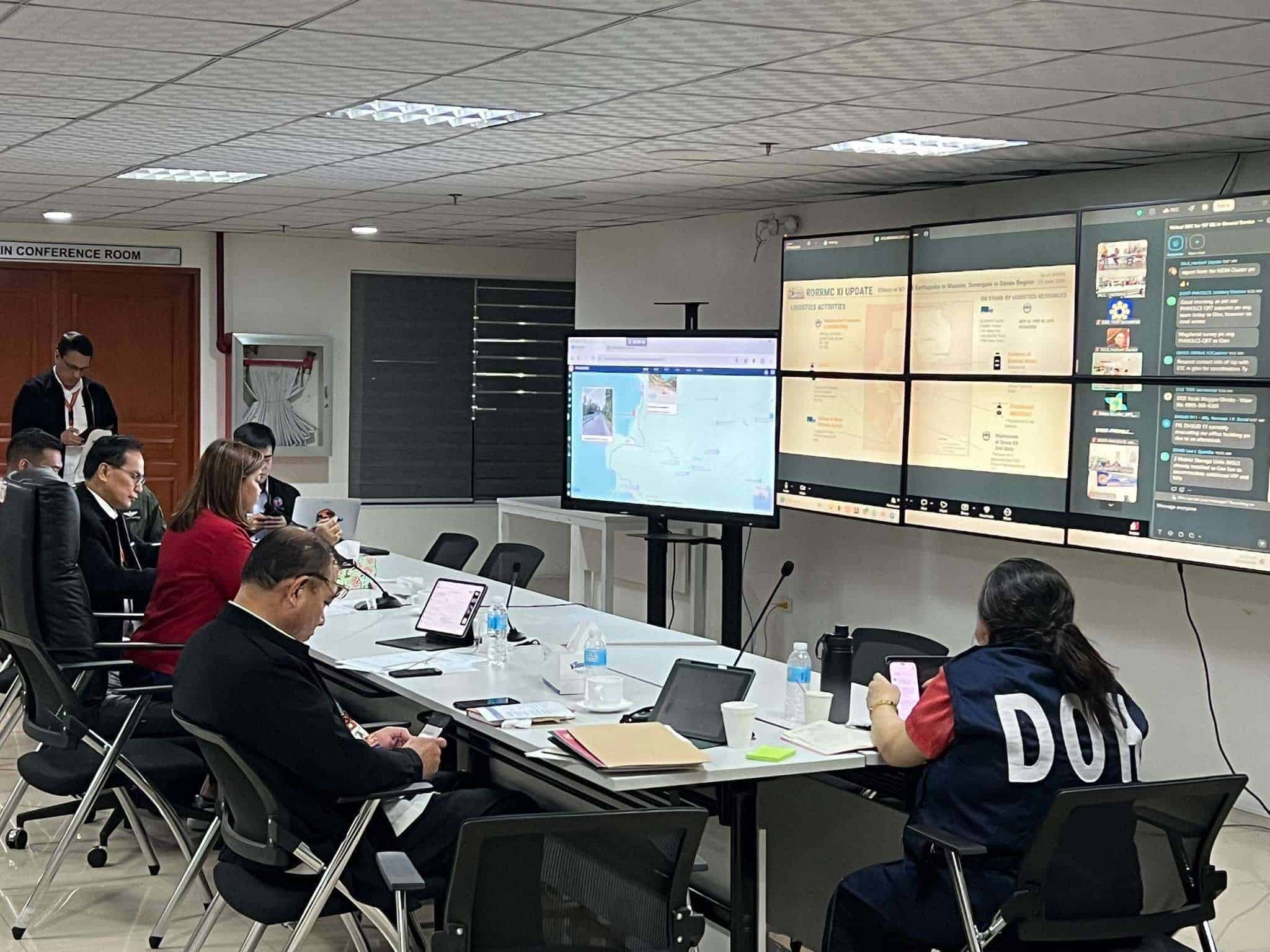
The Office of Civil Defense (OCD) Emergency Operations Center in Manila conducted televised public briefings using PhilAWARE throughout the response to the M7.8 earthquake in Mindanao.  Watch full briefing at: https://www.facebook.com/

Photograph: OCD Philippines

Needing to take immediate action before a complete understanding of the situation could emerge, decision-makers relied on PhilAWARE to develop a common operating picture and coordinate a complex, multi-agency response.

PhilAWARE not only provided the early warning but also integrated situational awareness and real-time insights needed to prioritize actions, direct limited resources rapidly and effectively, and support life-saving decisions when every minute mattered.

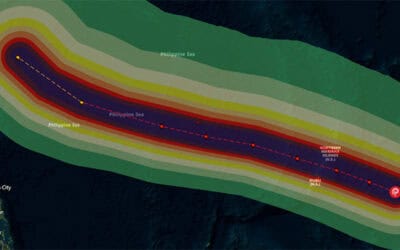
Above: Earthquake early warning visualized with advanced impact analytics, tsunami travel times, watch and warning zones derived from PhilAWARE and DisasterAWARE Pro. 

Photographs: PDC

An event of this magnitude is precisely why the Government of the Philippines, through its OCD, invested years building preparedness capacity—working with Pacific Disaster Center (PDC) to ensure the people, processes, and technological capabilities were in place ahead of a catastrophe. Located at the convergence of multiple tectonic plates, the Philippines is one of the most seismically active nations in the world and one of the most hazard prone. The question was never whether another major event would occur—it was whether communities and institutions would be ready when it did.

Through its partnership with PDC on the development and institutionalization of PhilAWARE—one of many interconnected solutions offered through PDC’s DisasterAWARE technology ecosystem—the Philippines was able to immediately mobilize its response to the M7.8 earthquake. The tool was already embedded into OCD’s Emergency Operations Center Standard Operating Procedures, funded through dedicated national budget allocations, and tested through multi-year training and exercise programs with PDC.

That long-term investment meant that when the ground shook on June 8, there was no hesitation. OCD activated PhilAWARE immediately, and the response infrastructure built around it—analytical capabilities, trained personnel, and established workflows—was ready.

Managing a disaster of this scale across four regions demanded more than field reports. It required a shared, data-driven picture of what was happening, where, and to whom—one that could keep pace with rapidly evolving conditions. PhilAWARE provided that picture throughout the response.

One ecosystem, many layers of response

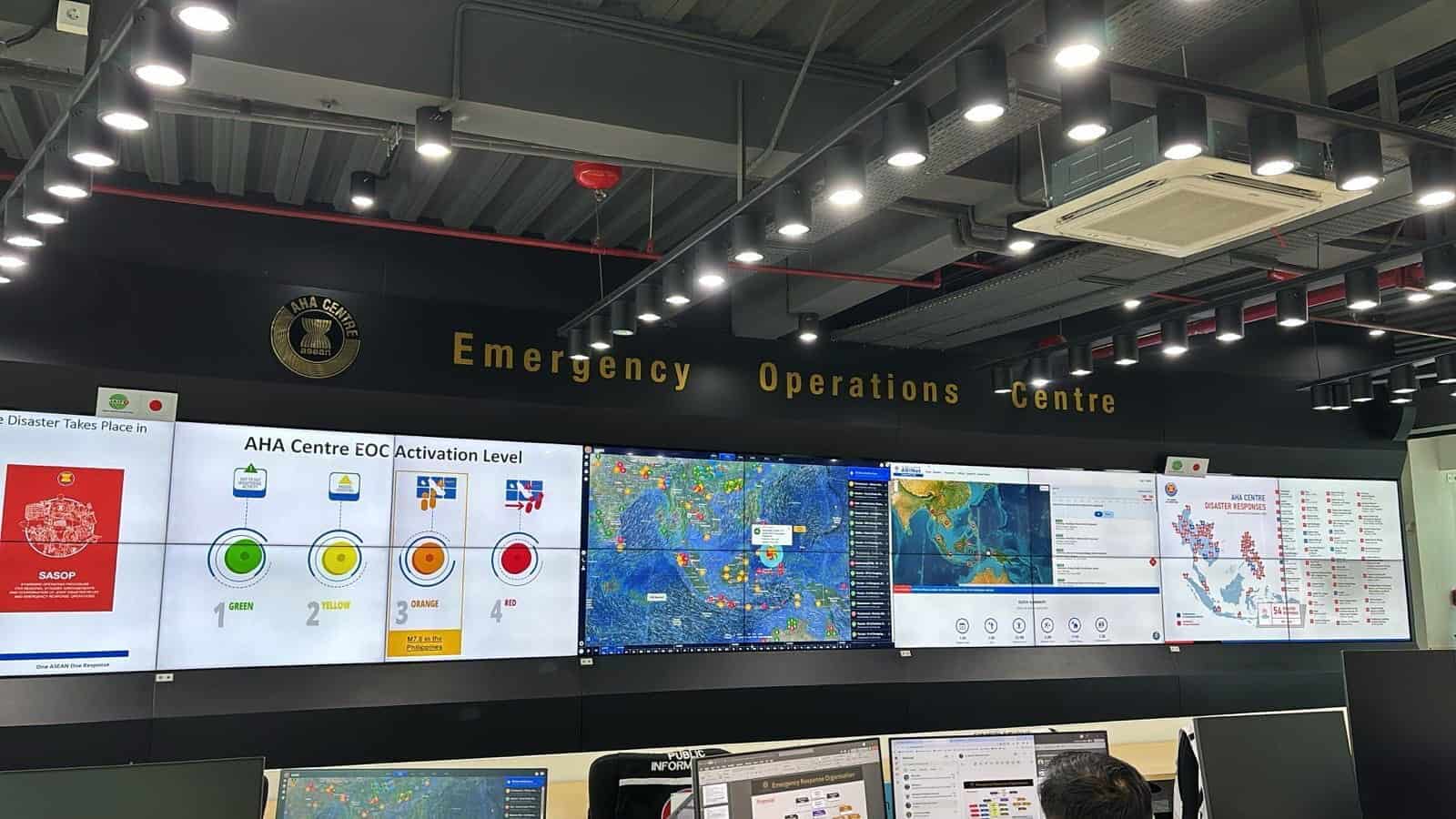
The DisasterAWARE ecosystem reinforced the regional dimensions of the response architecture—which included the use of PhilAWARE, DisasterAWARE Pro, and the ASEAN Disaster Management and Response System (DMRS). These separate but interlinked technologies helped connect the national response to broader ASEAN disaster management frameworks and enabled a kind of collaborative agility.

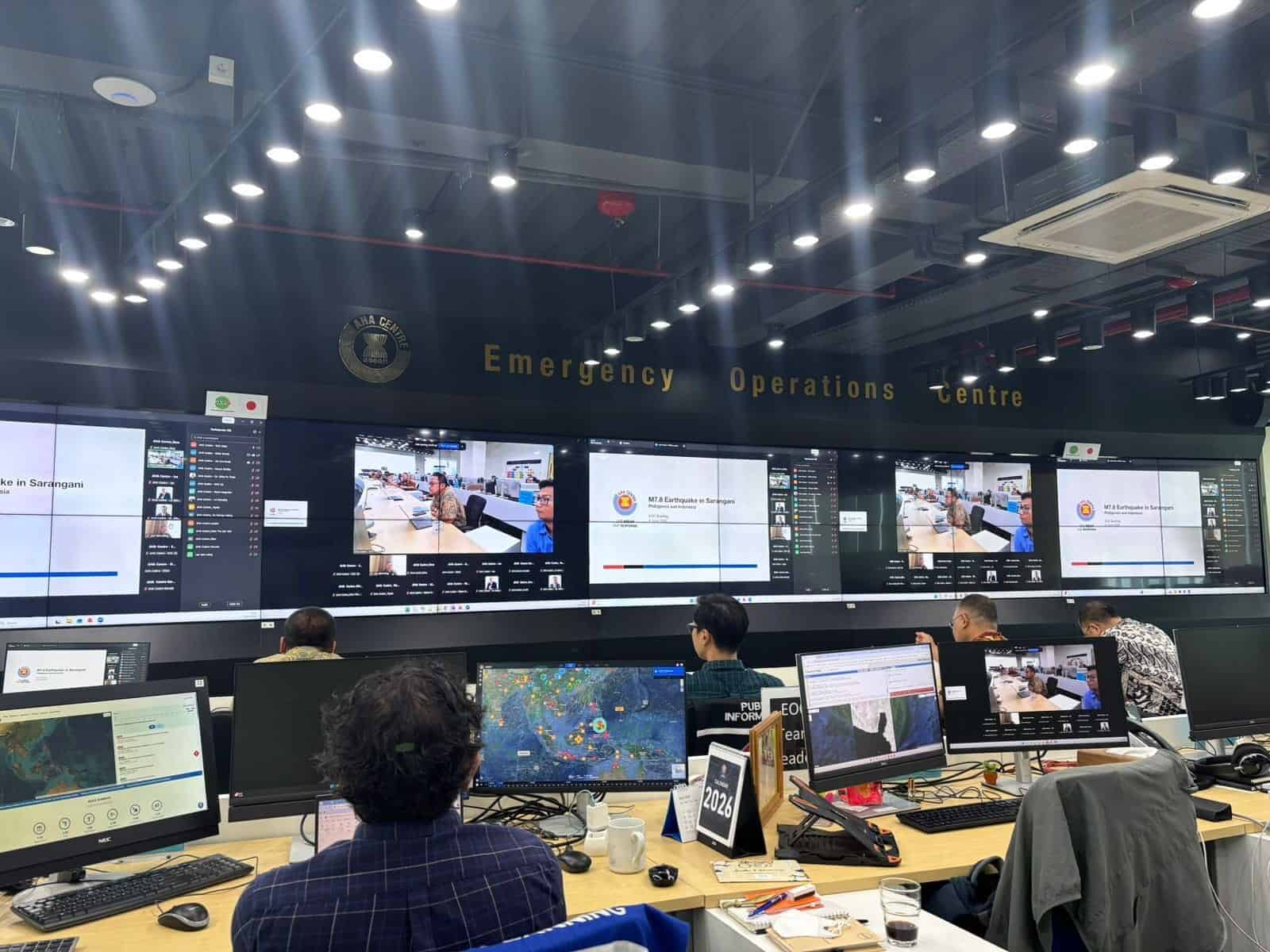
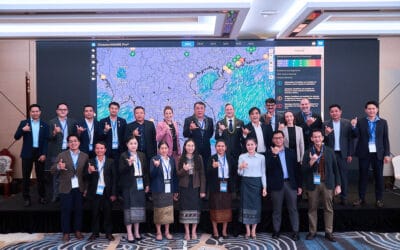
Above: The AHA Centre shares situational awareness and coordinates regional response mechanisms using its DMRS during the M7.8 Mindanao earthquake response.

Photographs: AHA Centre

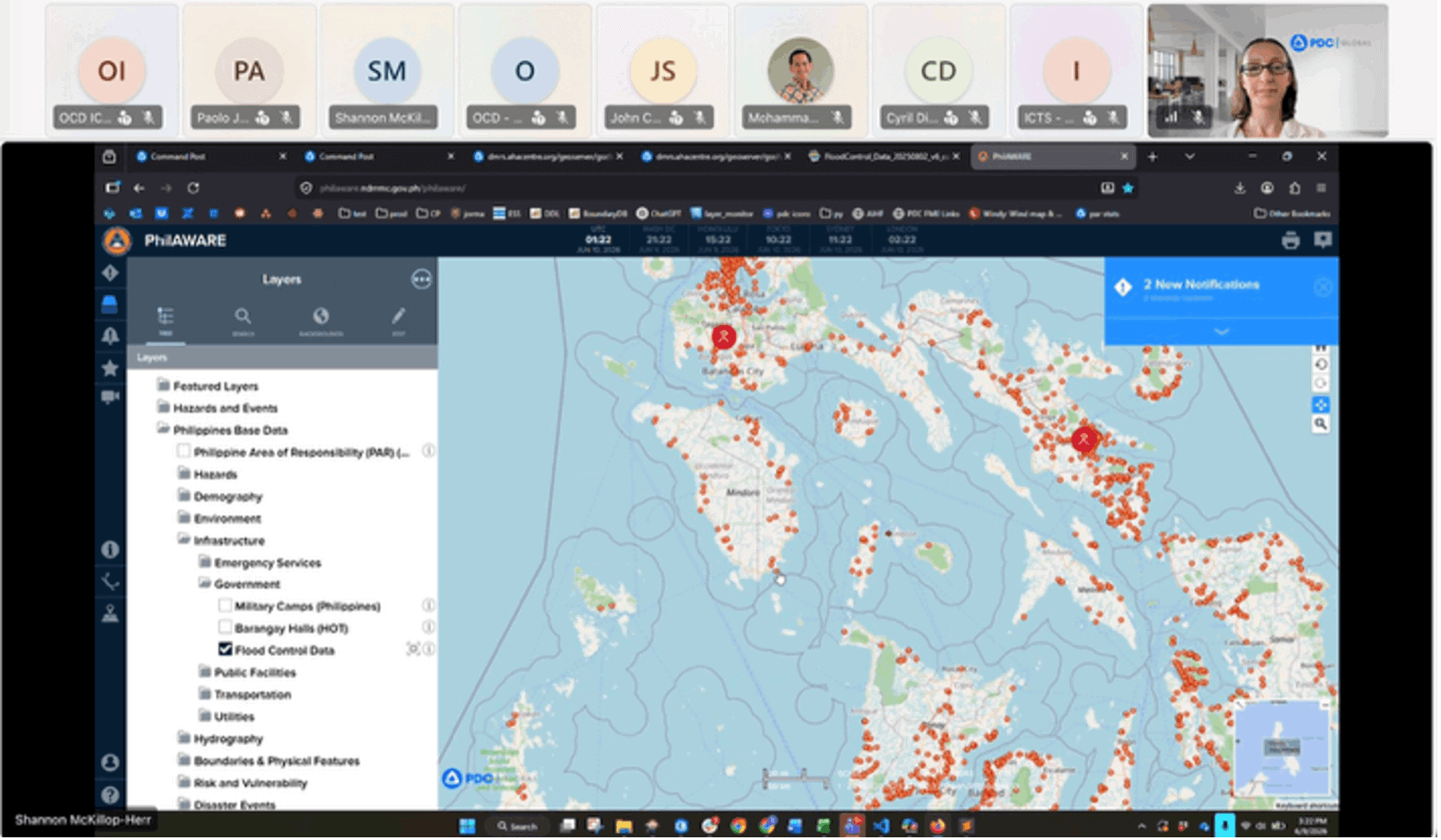
Above: PDC led advanced PhilAWARE data administration training with OCD personnel during the M7.8 Mindanao earthquake to enable real-time integration of locally gathered field data supporting national and regional response efforts.

Photographs: PDC / OCD Philippines

How preparedness made the difference

When an earthquake of this magnitude strikes, the outcomes depend heavily on what was built before the event—the systems, the institutions, the training, the practiced operational workflows. The Philippines has consistently invested in all of these, in partnership with PDC, over more than a decade. PhilAWARE’s institutionalization by OCD since 2024—with dedicated national funding and SOPs embedded in the EOC—means that this platform is not dependent on any significant external stakeholder for decision-making support under pressure.

One indication of the system’s deep institutionalization—and how it continued to improve under pressure—was OCD’s request for advanced PhilAWARE data administration training from PDC. This enabled the autonomous integration of locally gathered field data by responders into the platform in real time, extending its analytical reach to reflect ground-truth conditions alongside national datasets.

Adapting and extending capabilities mid-response reflects what years of joint training, exercising, and partnership have made possible—enabling the Philippines to leverage PDC’s technology and expertise in ways that are tailored to its unique needs and operational realities.

Major Outcomes

Early warning: Complete integration of the Philippine Institute of Volcanology and Seismology (PHIVOLCS) data into PhilAWARE provided immediate early warning and visualization of impacts for decision-makers in the Philippines.

Rapid impact assessment: Within minutes of the event, PhilAWARE enabled OCD to assess exposed populations, coastal tsunami risk, potential landslide zones, and critical infrastructure impacts—bringing together layers of data that would otherwise take days to synthesize manually.

A shared operational picture: With multiple agencies responding across four regions (IX, XI, XII, and BARMM), a common operating picture was essential. PhilAWARE gave decision-makers—from OCD leadership to local response coordinators—access to the same verified information at the same time.

Tracking displacement and protecting infrastructure: As more than 235,000 persons were displaced at peak, PhilAWARE supported monitoring of evacuation centers, population counts, and the status of lifeline infrastructure—hospitals, schools, roads, and bridges—helping direct scarce resources to where they were most needed.

Informing leadership and public communications: PhilAWARE supported real-time situational briefings for NDRRMC leadership throughout the response. The platform was visible in the background of the NDRRMC Administrator’s nationally broadcast press conference—a reflection of how deeply it is embedded in the national response structure.
Continuing hazard monitoring: With aftershocks reaching M6.7 and thousands of smaller events recorded in the days following the mainshock, PhilAWARE continued to monitor seismic activity—supporting OCD guidance on the safety of field personnel, populations, damaged structures, and the timing of recovery movements.

Get quarterly updates about our innovations and projects!
(Email Registration) Quarterly Email Updates
First
Last

ABOUT PDC

Pacific Disaster Center (PDC) is a leading scientific innovator of global risk reduction science and technology. As a University of Hawai’i applied science and research center, our work intersects with a variety of government, community, academic, and scientific organizations at home and around the world to build resilience to natural and man-made hazards—enhancing the capacity to quickly and accurately anticipate and prepare for new and emerging threats. Our innovations in multi-hazard early warning systems, predictive analytics, data science, and machine learning provide decision-makers with the powerful tools and insights they need to navigate today’s complex and interconnected risk landscape.

Related News