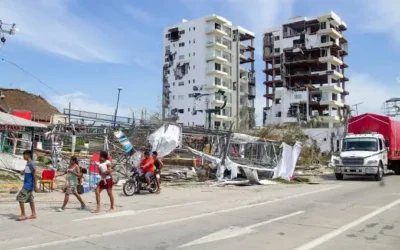
Between June 1 and November 30, the Central Pacific, including the State of Hawaii, faces increased risk from potential impacts of hurricanes. According to the National Oceanic and Atmospheric Administration (NOAA) Central Pacific Hurricane Center (CPHC) Outlook for the 2015 Central Pacific Basin hurricane season, climate experts predict five to eight tropical cyclones, with a 70 percent chance of an above normal season.
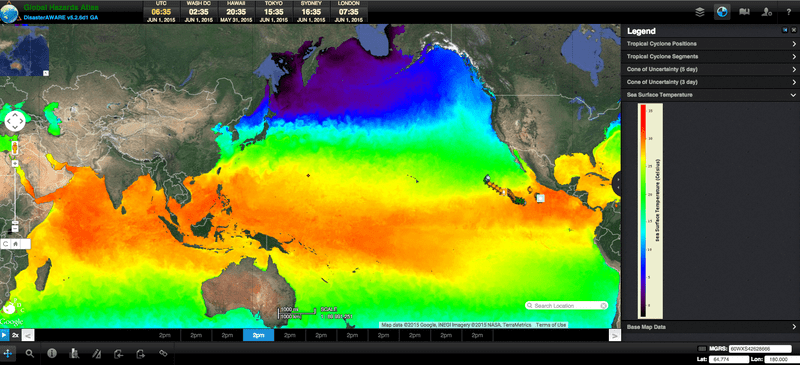
The average season sees four to five tropical cyclones, which includes tropical depressions, tropical storms, and hurricanes. The CPHC Outlook also states that El Niño conditions are expected to continue and possibly strengthen as the hurricane season progresses. El Niño conditions are indicated when average sea surface temperatures (SST) are at least 0.5°C above average for three consecutive months. These elevated SSTs allow the atmosphere to warm and cause instability, while supporting the formation and strengthening of cyclones.
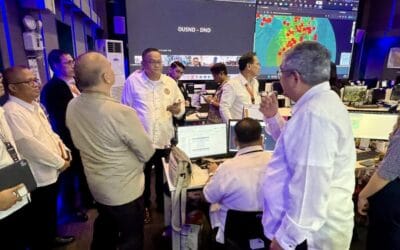
PDC encourages communities, families, and individuals to take the necessary steps to be prepared for the storm systems ahead. Families and individuals can take advantage of a variety of resources PDC provides to help you stay safe and keep your family safe. You can take action and learn more about tropical cyclones and their associated hazards, create and rehearse a family disaster plan, and put together a disaster supply kit. When a potentially dangerous storm enters the Central Pacific, you can keep up-to-date with the Disaster Alert mobile app, or monitor it using Global Hazards Atlas and view bulletins associated with the storm on Weather Wall.
Preparedness and early warning are essential, and they do save lives. Always stay tuned to official information sources and heed instructions from State and County Civil Defense agencies.
For more information on the 2014 hurricane season outlook:
• Visit NOAA’s Central Pacific Hurricane Center page,
• Visit the NWS Climate Prediction Center,
• Visit NOAA’s National Hurricane Center, and
• Refer to NOAA’s explanation of the Saffir-Simpson Hurricane Wind Scale.
More resources for hurricane safety and preparedness:
• Hawaii Hazards Awareness & Resilience Program (HHARP) to enhance community resilience, or
• Read about how parents can help kids learn about disaster preparedness.
ABOUT PDC
Pacific Disaster Center (PDC) is a leading scientific innovator of global risk reduction science and technology. As a University of Hawai’i applied science and research center, our work intersects with a variety of government, community, academic, and scientific organizations at home and around the world to build resilience to natural and man-made hazards—enhancing the capacity to quickly and accurately anticipate and prepare for new and emerging threats. Our innovations in multi-hazard early warning systems, predictive analytics, data science, and machine learning provide decision-makers with the powerful tools and insights they need to navigate today’s complex and interconnected risk landscape.