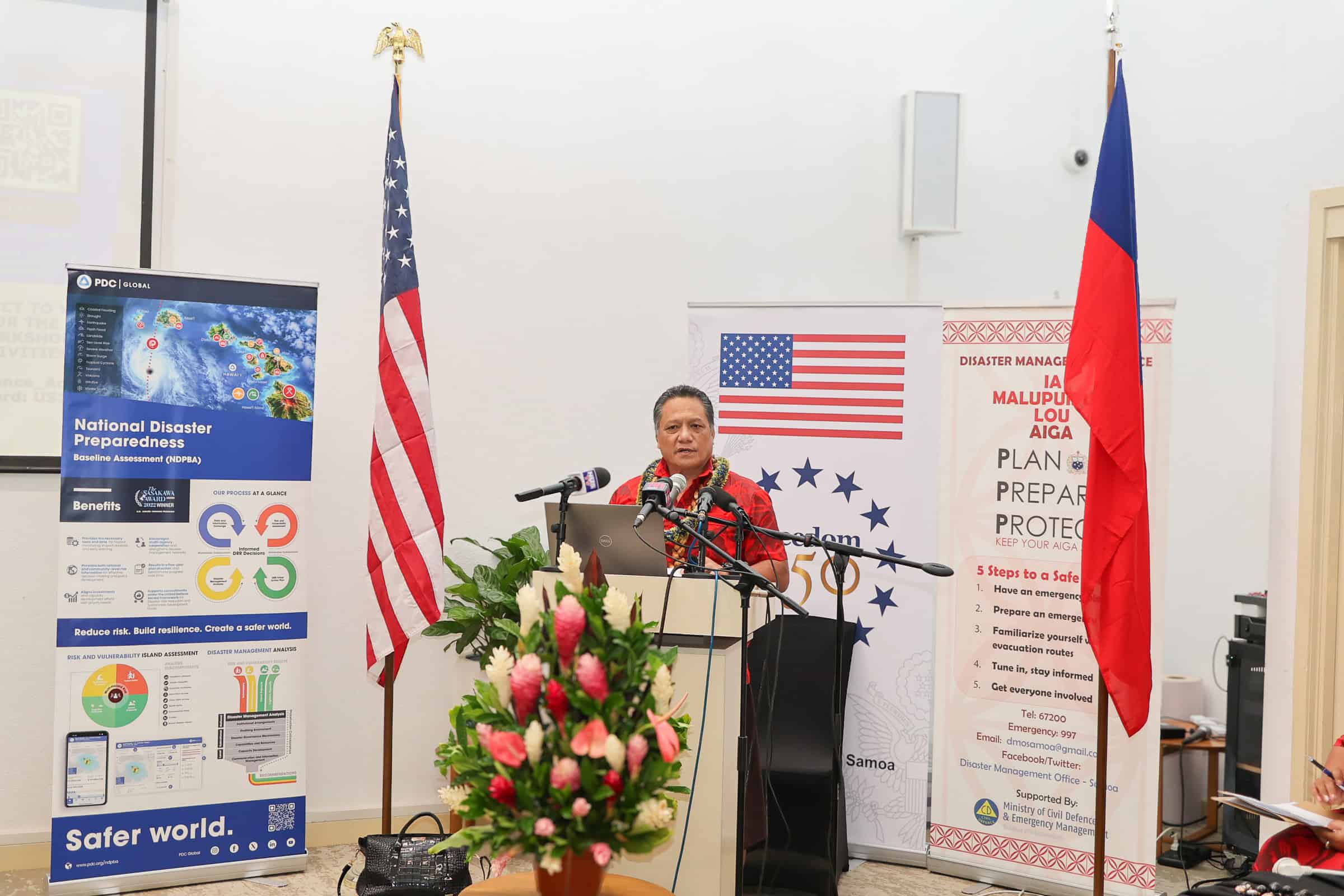
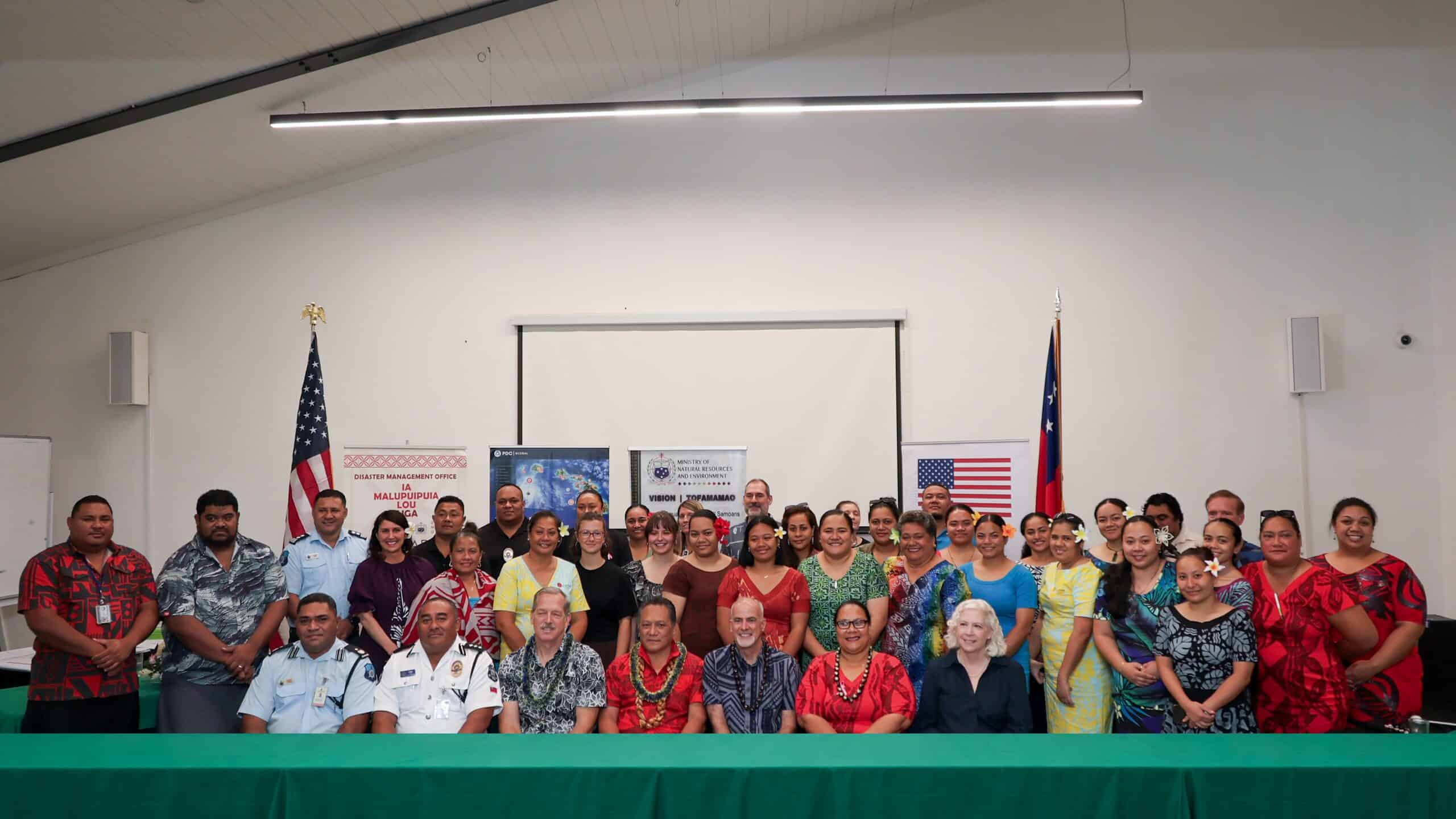
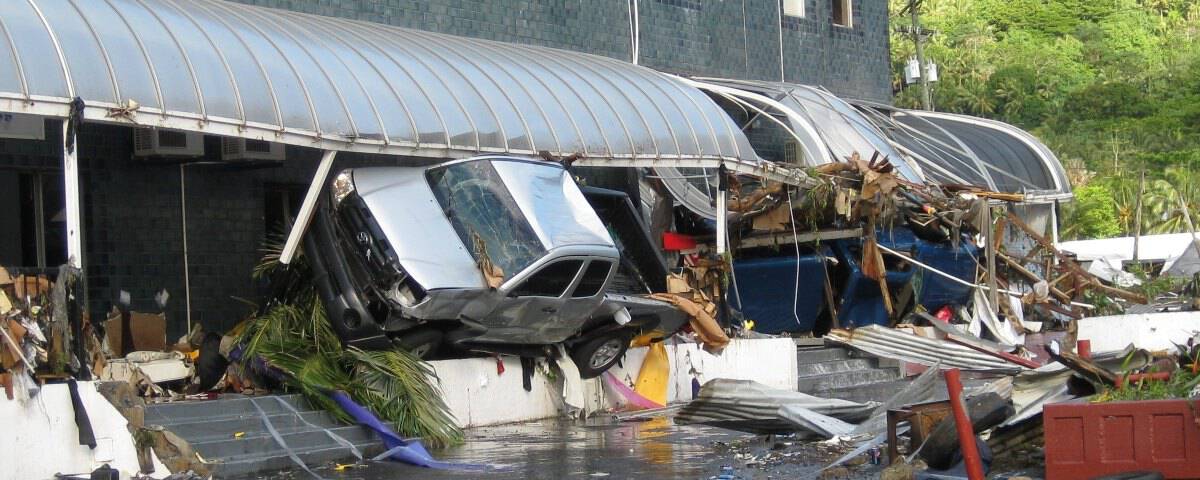
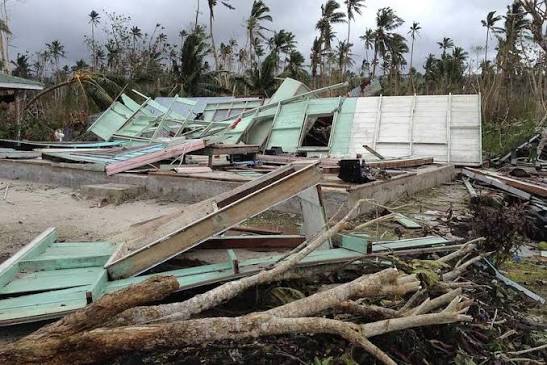
For Samoa, the assessment will complement the country’s ongoing investments in early warning, emergency management, and community preparedness by bringing together information on hazards, exposure, vulnerability, coping capacity, and disaster management capabilities.
The work will also connect Samoa’s risk assessment findings with PDC’s advanced technology, DisasterAWARE.
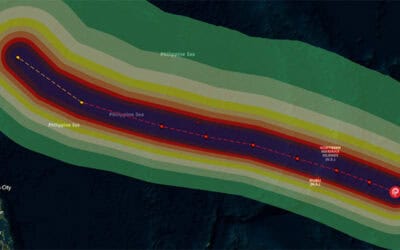
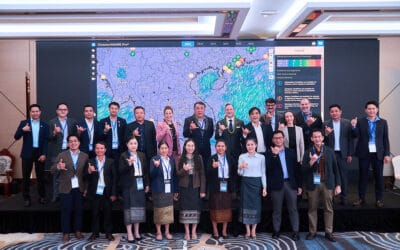
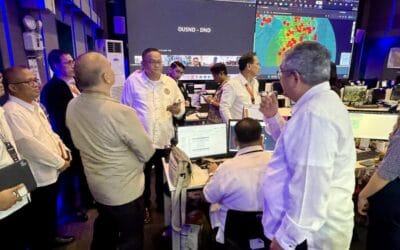
DisasterAWARE is the Center’s multi-hazard early warning and risk intelligence platform, providing near-real-time information across 28 natural, man-made and biological hazard types. For NDPBA partners, the platform provides a way to operationalize assessment findings—allowing risk data and analysis results to be accessed alongside emerging hazard information to support planning, preparedness, response, and mitigation.
In practical terms, this means the risk assessment data and findings can be put to work immediately. Information developed through the NDPBA can become part of the tools decision-makers use before and during an emergency: identifying vulnerable communities, understanding potential impacts, prioritizing resources and building a common operating picture as conditions change.
Over the next year, the program will produce district-level risk profiles, an analysis of Samoa’s disaster management capabilities, and a five-year plan of action.
A partnership grounded in Pacific experience
The partnership also reflects the close connections between Hawai‘i and Samoa as Pacific island communities.
Both face the challenges of managing critical infrastructure and essential services across geographically dispersed communities. Both are exposed to multiple natural hazards, and both understand the importance of neighbors, communities and local institutions as the first line of response when transportation, communications, or other lifelines are disrupted.
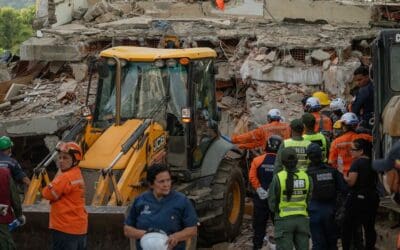
For Hawai‘i, the experience of recent disasters—including recent impacts from two Kona low-pressure storms, three tropical cyclone events, and the devastating 2023 Maui wildfires for which recovery is still underway—has underscored how drought, extreme weather, fire, and other hazards can intersect and compound one another.
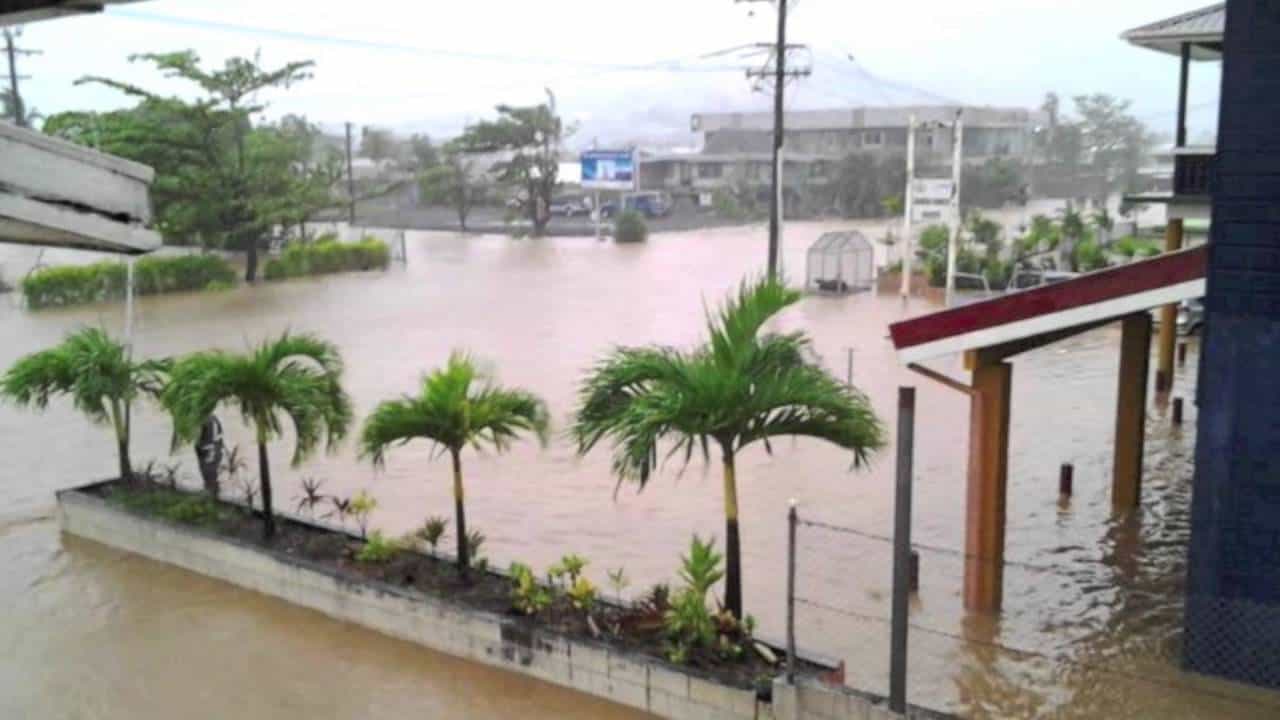
For Samoa, the current combination of El Niño-related dryness, water-supply pressures, agricultural impacts, and the approaching cyclone season offers another reminder that resilience depends on preparing for complex conditions rather than a single scenario.
Building resilience beyond one assessment
The Samoa NDPBA is intended not only to strengthen national disaster preparedness, but also to contribute to a broader Pacific exchange of knowledge and experience.
Samoa’s leadership on tsunami preparedness and its commitment to a national multi-hazard early warning system provide a strong foundation for the partnership. In turn, PDC brings decades of experience in disaster risk assessment, multi-hazard early warning, advanced analytics, and decision-support technology.
Together, the partners can help bridge a critical gap between knowing where risk exists and acting on that knowledge.
As hazards become increasingly interconnected and weather patterns more variable, that connection will become even more important. Risk information must be current, accessible and actionable—not only for long-term planning, but for the decisions communities and emergency managers make when a disaster is unfolding.
“The partnership between Samoa and PDC represents one contribution to that larger Pacific goal: strengthening the ability of island communities to understand risk, prepare before disaster strikes, act decisively when hazards emerge and recover stronger afterward,” said Steve Recca of PDC.