Hawai‘i’s PDC and Samoa to strengthen resilience through cooperative risk analysis

As El Niño-driven drought and shifting weather patterns increase risks to Pacific Island communities from cyclones, fires, flooding, and other hazards, Hawai‘i and Samoa are joining forces on a National Disaster Preparedness Baseline Assessment (NDPBA) to exchange knowledge and strengthen disaster risk reduction, preparedness, and resilience in Samoa and beyond.

By Chani Goering

10/20/2026

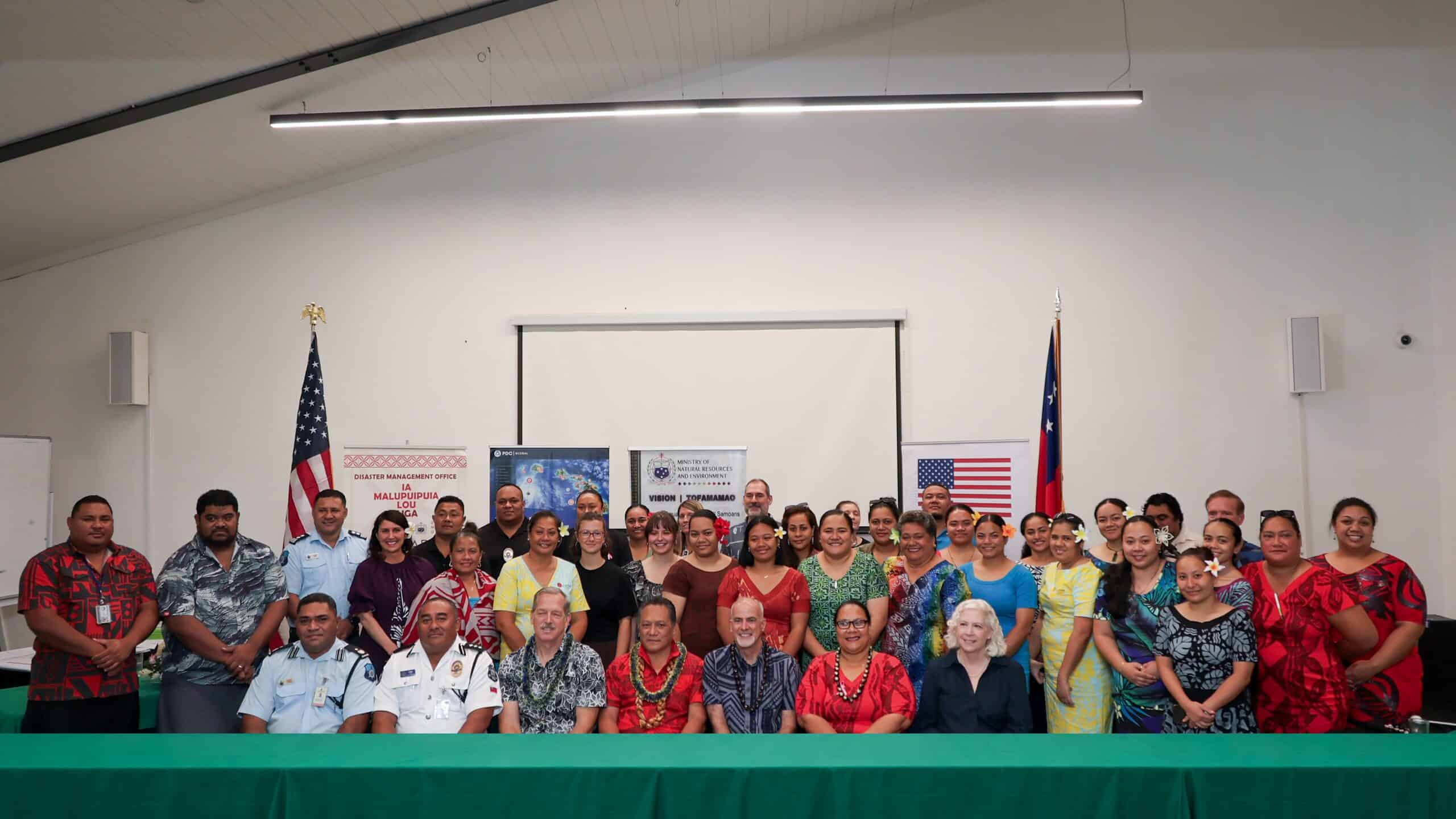
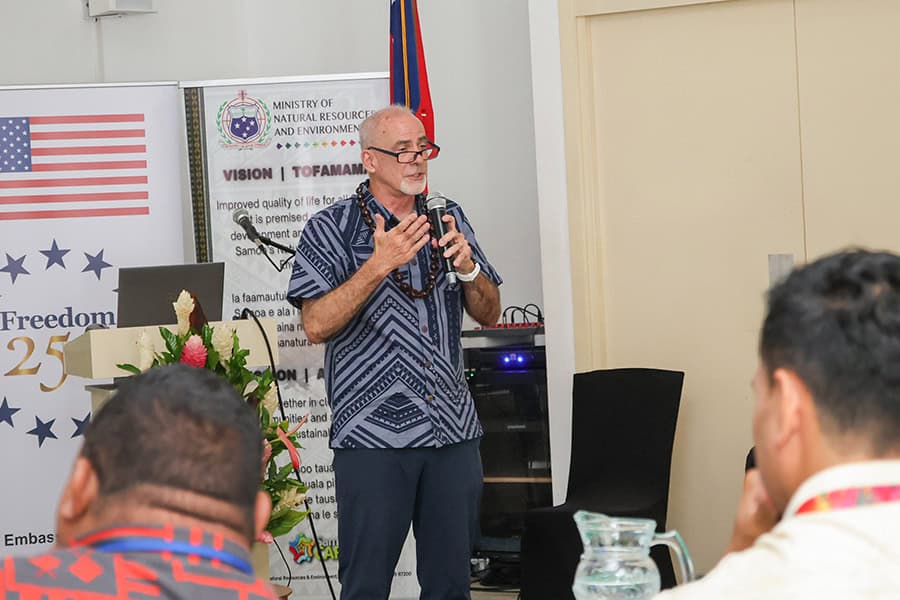
Led by Samoa’s Disaster Management Office (DMO) under the Ministry of Natural Resources and Environment (MNRE), with support from the U.S. Embassy in Apia, the NDPBA initial workshop and knowledge exchange drew wide participation from across sectors.

Photograph: PDC

APIA, Samoa — For island communities across the Pacific, disaster risk is defined by multiple hazards, with many taking place concurrently. Vulnerability is often exacerbated by the remote location of these communities where relief can take days to arrive. Drought, for instance, can put extraordinary strain on freshwater supplies and agriculture as well as increase fire risk. Tropical cyclones bring destructive winds, storm surge and flooding which often damage critical infrastructure and lifelines. Earthquakes can generate tsunamis with little warning, while coastal flooding and erosion add to the long-term pressures facing communities, infrastructure and livelihoods.

Against this backdrop, the University of Hawai‘i’s Pacific Disaster Center (PDC) and the Government of Samoa are partnering to strengthen disaster risk knowledge and preparedness through a National Disaster Preparedness Baseline Assessment (NDPBA).

The partnership brings together two Pacific island communities with distinct but closely related experiences managing complex, interconnected hazards. It also creates an opportunity to share lessons across the Pacific on how risk information can be translated into better planning, stronger preparedness and faster, more informed action when disasters occur.

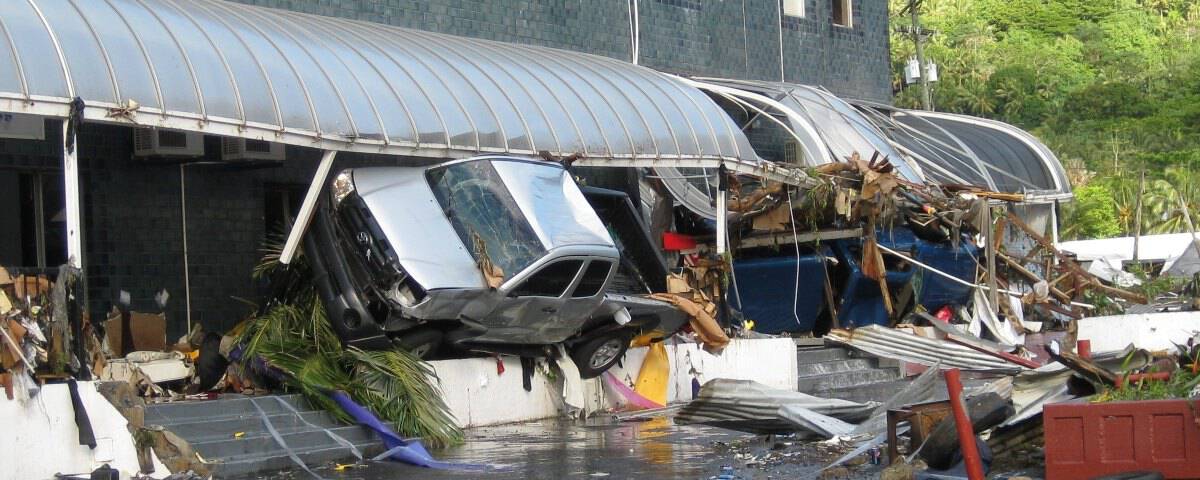
In 2009, Samoa was severely impacted by a tsunami that was triggered by two massive earthquakes that hit almost simultaneously about 120 miles off the coast of the islands. Several communities are still feeling the impacts of this catastrophe that claimed the lives of more than 140 people in Samoa and destroyed houses and infrastructure across the island, with estimated $200 million in losses.

Photo by NOAA NCEI

A disaster-prone landscape and changing environmental conditions

Samoa is exposed to a broad range of hazards, including tropical cyclones, tsunamis, flash flooding, drought, landslides, earthquakes, public health threats, coastal erosion, and more. Approximately 70 percent of Samoa’s population lives along the coast, increasing the importance of understanding how multiple hazards can affect communities and critical infrastructure.

Those risks are being felt against a backdrop of changing environmental conditions. Samoa is currently experiencing El Niño-related dry conditions, placing additional pressure on water supplies, agriculture and communities as the country approaches another cyclone season. The combination illustrates why disaster preparedness increasingly requires an understanding of hazards as interconnected risks rather than isolated events.

Samoa has experienced the consequences of major disasters firsthand. The 2009 South Pacific tsunami caused widespread loss of life and displacement, while Tropical Cyclone Evan in 2012 caused extensive damage to homes, infrastructure and livelihoods.

At the same time, Samoa has made significant investments in reducing disaster risk, including its Multi-Hazard Early Warnings for All Roadmap 2026–2036, released in June 2026. The roadmap identifies strengthening risk knowledge and institutional coordination among the country’s priorities for improving early warning and disaster preparedness.

Samoa is also leading on community-level tsunami preparedness. In May, with support from the United States, the country launched the UNESCO Intergovernmental Oceanographic Commission (UNESCO-IOC) Tsunami Ready Recognition Programme, with 37 villages participating in efforts to strengthen tsunami risk knowledge, warning systems, evacuation planning, public awareness and community action.

On September 29, the 17th anniversary of the 2009 tsunami, 17 communities in the Aleipata and Lepa districts—among the areas hardest hit in 2009—were recognized as Tsunami Ready.


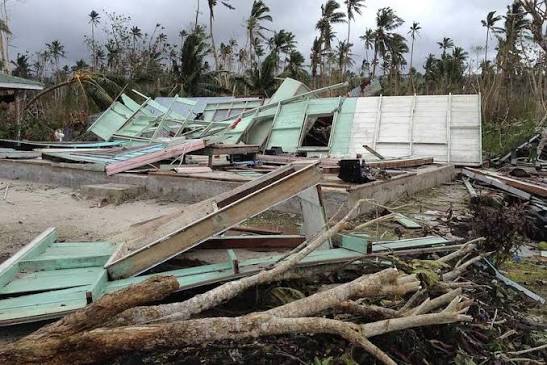
Low-lying coastal communities of Samoa were hit particularly hard by Cyclone Evan in 2012. Evan leveled homes and destroyed infrastructure across Apia, the capital city of Samoa.

Photo by Ministry of Natural Resources and Environment, Samoa

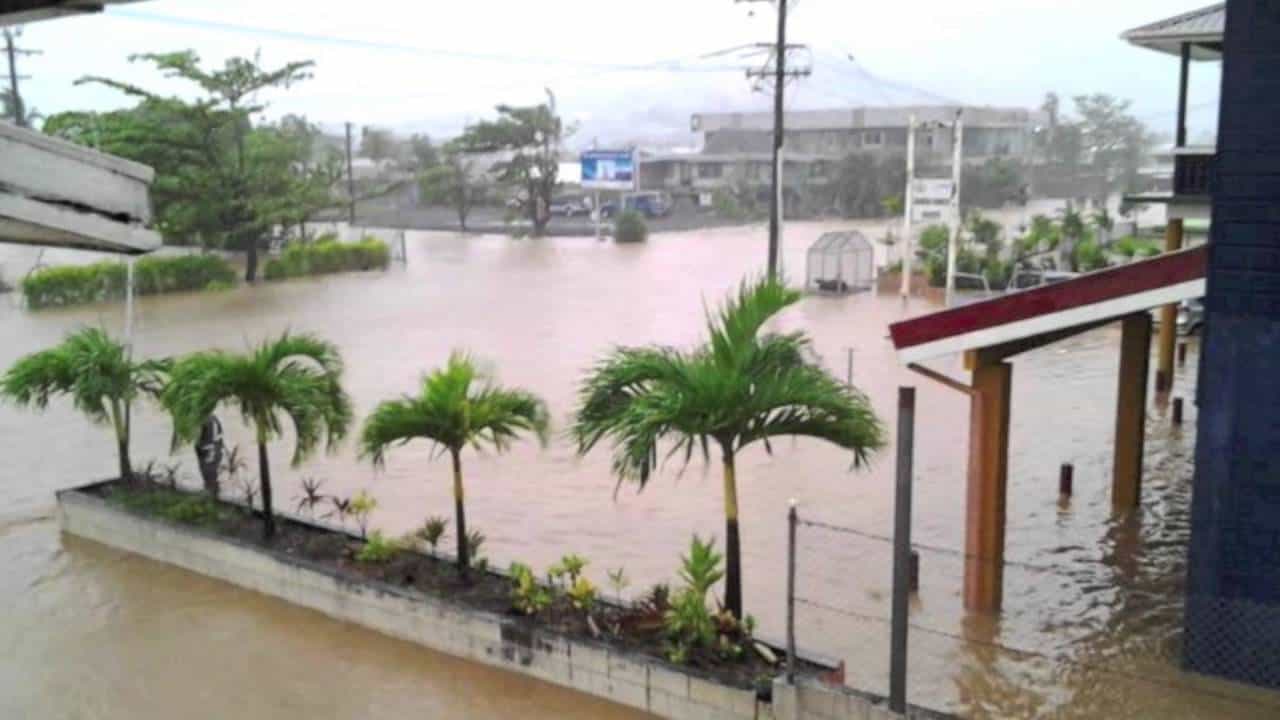
Extreme flooding in Samoa during Hurricane Evan, 2012.

Photo by BBC News

“The National Disaster Preparedness Baseline Assessment provides an opportunity to bring together national data, technical assessments, institutional knowledge, and stakeholder perspectives to develop a clearer picture of our country’s disaster risk and preparedness. “

The value of a baseline risk assessment to Samoa

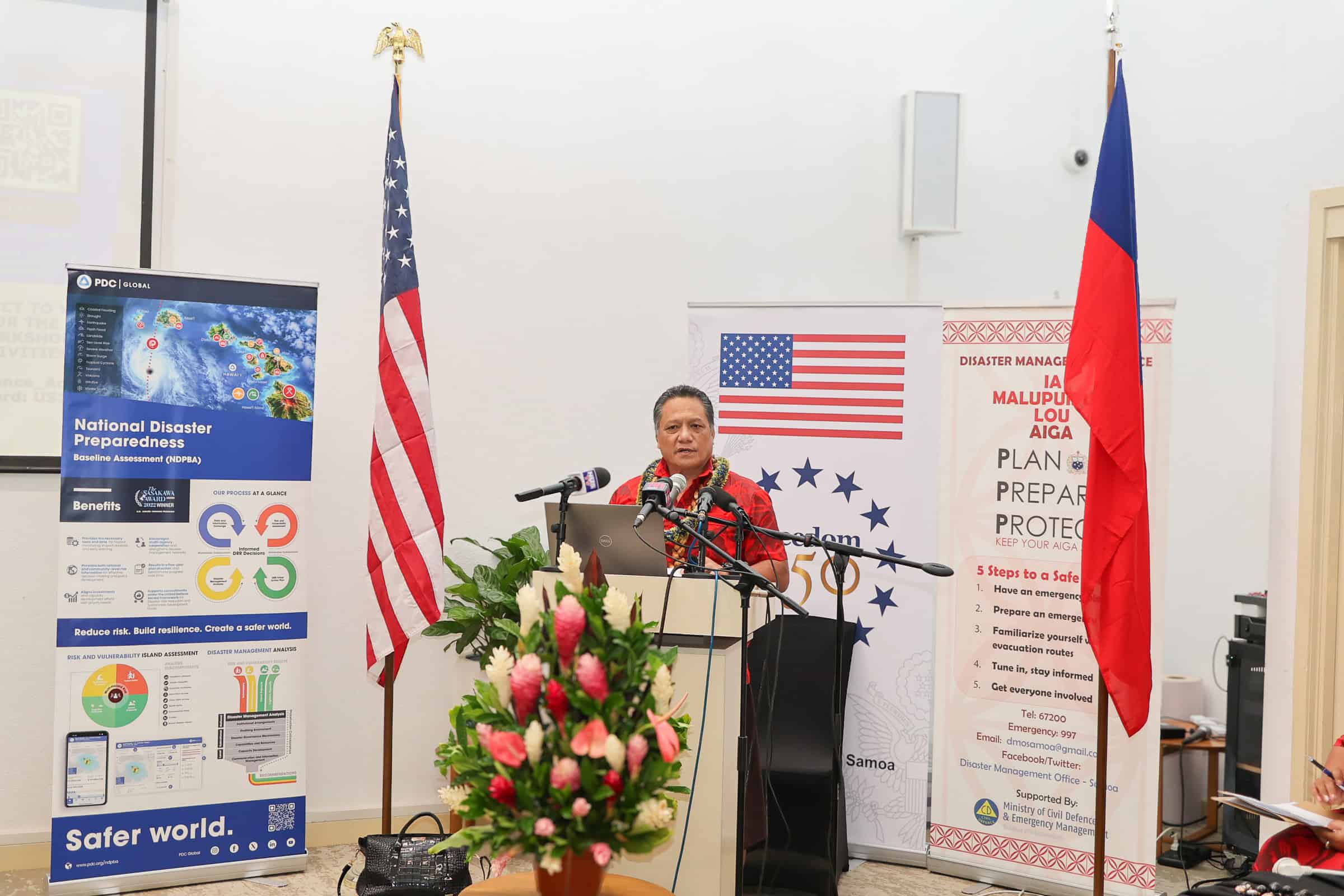
Samoa’s latest initiative to conduct a baseline assessment in partnership with PDC is led by Samoa’s Disaster Management Office (DMO) under the Ministry of Natural Resources and Environment (MNRE) with support from the U.S. Embassy in Apia. It launched on October 14, 2026 with experts from Samoa’s meteorology, health, water, agriculture, emergency services, and other sectors who came together to participate in a kick-off workshop and knowledge exchange. The event was opened by Acting Chief Executive Officer Afioga Su‘emalo Talie Foliga and U.S. Chargé d’Affaires to Samoa Matthew Younger.

Making risk knowledge actionable

“The National Disaster Preparedness Baseline Assessment provides an opportunity to bring together national data, technical assessments, institutional knowledge, and stakeholder perspectives to develop a clearer picture of our country’s disaster risk and preparedness,” said Afioga Su‘emalo Talie Foliga, Acting Chief Executive Officer of Samoa’s MNRE. “I would like to acknowledge and thank the United States through its embassy here in Samoa, as well as the team from the Pacific Disaster Center for their immense support and continued partnership.”

Afioga Su‘emalo Talie Foliga shared how Samoa continues to face threats from a wide range of hazards, including tropical cyclones, floods, droughts, quakes, tsunamis, public health emergencies, and the increasing impacts of climate change.

“These challenges remind us that effective disaster preparedness is not the responsibility of one agency alone, but rather a collective effort that requires strong partnerships, coordinated actions, and inclusive participation across all sectors of society,” said Afioga Su‘emalo Talie Foliga.

Afioga Su‘Emalo Talie Foliga, Acting Chief Executive Officer of Samoa’s Ministry of Natural Resources and Environment, launches the National Disaster Preparedness Baseline Assessment.

U.S. Chargé d’Affaires to Samoa Matthew Younger emphasizes the importance of unwavering partnership and highlights the new ground broken in supporting evidence-based decision making across Samoa.

“Today is a monumental step forward in our journey together. We are breaking new ground with this assessment. Resilience is not built overnight, nor is it built by the government alone. It requires data, technology, community-level awareness, and above all, unwavering partnership, which we are here to offer today and to celebrate by launching the National Disaster Preparedness Baseline Assessment.”

Click to zoom

Photographs by PDC

PDC Senior Operations Advisor Steve Recca.

Photograph by PDC

“We will learn from each other, and the expertise in this room is a testament to our mutual commitment to be better prepared for whatever hazard we might face.“

The NDPBA is designed to help countries do more than document hazards. PDC works with national and local stakeholders to assess risk, vulnerability and disaster management capacity, identify opportunities to strengthen preparedness, and establish a foundation for evidence-based decision-making.

“The National Disaster Preparedness Baseline Assessment will help assess disaster risks and identify and prioritize actions to reduce the most pressing of these,” said PDC Senior Operations Advisor Steve Recca.

“We will learn from each other, and the expertise in this room is a testament to our mutual commitment to be better prepared for whatever hazard we might face. While today’s workshop formally launches the project, PDC has been working with the DMO to understand Samoa’s hazards and their impacts. We mark the beginning of the project, but the relationship between DMO and PDC will continue to grow and evolve as we work together towards our shared goal of a safer and more resilient Samoa.”

“As a result of DMRS [the AHA Centre’s Disaster Monitoring and Response System], it takes only two AHA Centre staff to cover all of the disaster monitoring and analysis responsibilities of the ASEAN region. We are pleased to see this same capability being brought to Lao through this project,” said the AHA Centre during the NDPBA kick-off workshop. The AHA Centre’s DMRS is one of several versions of customized solutions offered by PDC through its DisasterAWARE ecosystem.

Support from other stakeholders was expressed during the workshop as well.

For Samoa, the assessment will complement the country’s ongoing investments in early warning, emergency management, and community preparedness by bringing together information on hazards, exposure, vulnerability, coping capacity, and disaster management capabilities.

The work will also connect Samoa’s risk assessment findings with PDC’s advanced technology, DisasterAWARE.

DisasterAWARE is the Center’s multi-hazard early warning and risk intelligence platform, providing near-real-time information across 28 natural, man-made and biological hazard types. For NDPBA partners, the platform provides a way to operationalize assessment findings—allowing risk data and analysis results to be accessed alongside emerging hazard information to support planning, preparedness, response, and mitigation.

In practical terms, this means the risk assessment data and findings can be put to work immediately. Information developed through the NDPBA can become part of the tools decision-makers use before and during an emergency: identifying vulnerable communities, understanding potential impacts, prioritizing resources and building a common operating picture as conditions change.

Over the next year, the program will produce district-level risk profiles, an analysis of Samoa’s disaster management capabilities, and a five-year plan of action.


A partnership grounded in Pacific experience

The partnership also reflects the close connections between Hawai‘i and Samoa as Pacific island communities.

Both face the challenges of managing critical infrastructure and essential services across geographically dispersed communities. Both are exposed to multiple natural hazards, and both understand the importance of neighbors, communities and local institutions as the first line of response when transportation, communications, or other lifelines are disrupted.

For Hawai‘i, the experience of recent disasters—including recent impacts from two Kona low-pressure storms, three tropical cyclone events, and the devastating 2023 Maui wildfires for which recovery is still underway—has underscored how drought, extreme weather, fire, and other hazards can intersect and compound one another.

For Samoa, the current combination of El Niño-related dryness, water-supply pressures, agricultural impacts, and the approaching cyclone season offers another reminder that resilience depends on preparing for complex conditions rather than a single scenario.

Building resilience beyond one assessment

The Samoa NDPBA is intended not only to strengthen national disaster preparedness, but also to contribute to a broader Pacific exchange of knowledge and experience.

Samoa’s leadership on tsunami preparedness and its commitment to a national multi-hazard early warning system provide a strong foundation for the partnership. In turn, PDC brings decades of experience in disaster risk assessment, multi-hazard early warning, advanced analytics, and decision-support technology.

Together, the partners can help bridge a critical gap between knowing where risk exists and acting on that knowledge.

As hazards become increasingly interconnected and weather patterns more variable, that connection will become even more important. Risk information must be current, accessible and actionable—not only for long-term planning, but for the decisions communities and emergency managers make when a disaster is unfolding.

“The partnership between Samoa and PDC represents one contribution to that larger Pacific goal: strengthening the ability of island communities to understand risk, prepare before disaster strikes, act decisively when hazards emerge and recover stronger afterward,” said Steve Recca of PDC.

Get quarterly updates about our innovations and projects!
(Email Registration) Quarterly Email Updates
First
Last

ABOUT PDC

Pacific Disaster Center (PDC Global) is a leading scientific innovator in disaster risk reduction science and technology. As a University of Hawai’i applied science and research center, our work intersects with government, community, academic, and scientific organizations at home and around the world to build resilience to natural and man-made hazards. We enable communities to confront disasters more effectively by enhancing the capacity to rapidly anticipate and prepare for new and emerging threats using our AI-powered multi-hazard early warning technology, DisasterAWARE, predictive analytics, data science, and machine learning. For more than 30 years, PDC innovations have equipped decision-makers with the powerful tools and insights they need to navigate today’s complex and interconnected risk landscape.

PDC received prestigious recognition from the United Nations for its international impact in 2022, being granted the once-in-a-lifetime U.N. Sasakawa Award for Disaster Risk Reduction.

Related News