University of The Bahamas and UH partner in island sustainability on International Day for Disaster Risk Reduction
Memorandum of Understanding builds on decades of collaboration between The Bahamas National Emergency Management Agency and the University of Hawaii’s applied science and research center Pacific Disaster Center. A new collaboration on disaster risk reduction research geared toward small island states has been formalized through a memorandum of understanding (MOU) between the University of Hawaiʻi and the University of […]
Memorandum of Understanding builds on decades of collaboration between The Bahamas National Emergency Management Agency and the University of Hawaii’s applied science and research center Pacific Disaster Center.
A new collaboration on disaster risk reduction research geared toward small island states has been formalized through a memorandum of understanding (MOU) between the University of Hawaiʻi and the University of The Bahamas.
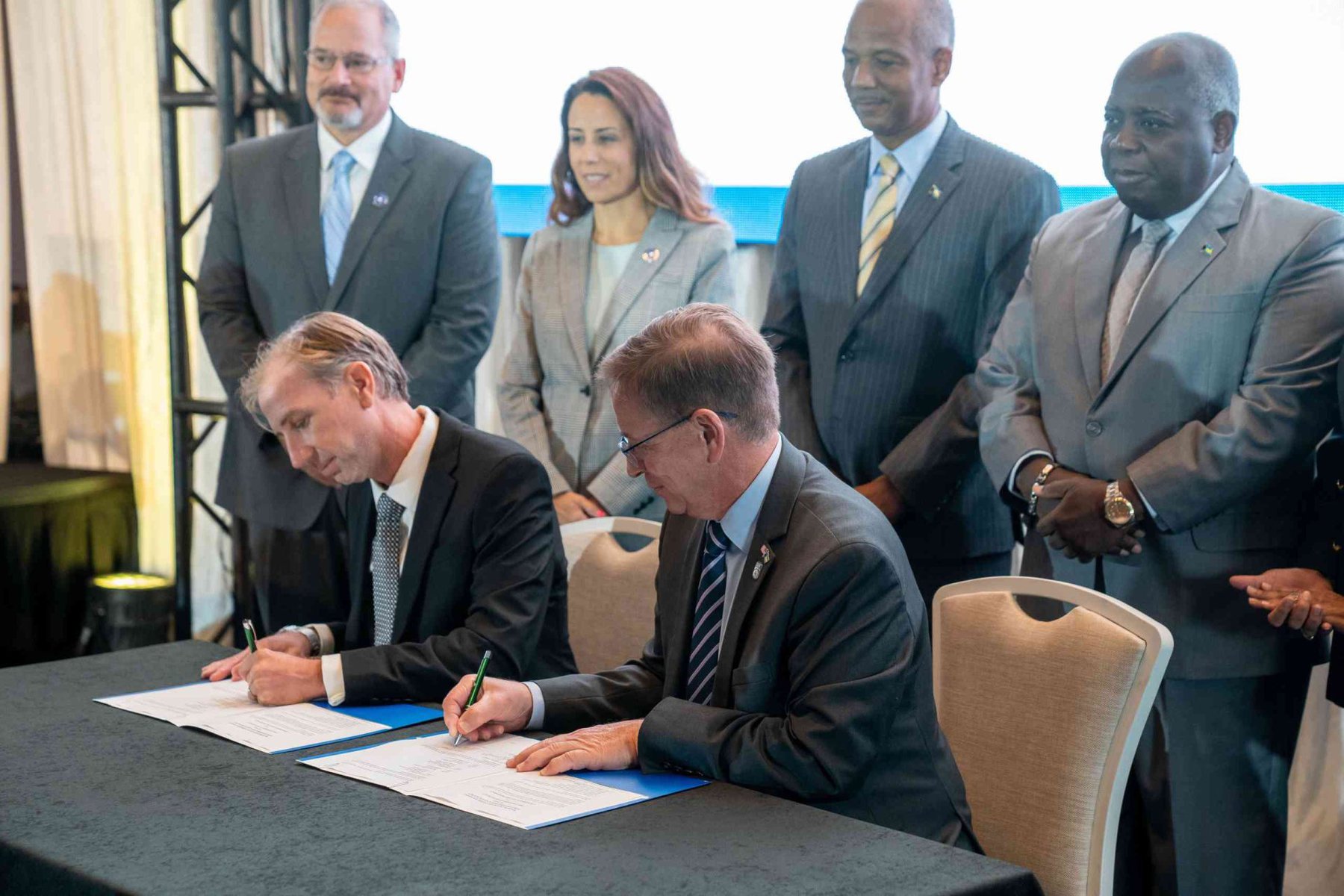
The Bahamas Prime Minister Philip Davis hosted the signing on October 13, which was the United Nations General Assembly’s International Day for Disaster Risk Reduction. The partnership seeks creative solutions to sea-level rise and island sustainability, including disaster resilience, environmental sustainability, tourism, and health and wellness.
“Our shared experiences create an opportunity for the University of The Bahamas and the University of Hawaiʻi to work together to find creative solutions and lead the world in building small island resilience through scientific advancement,” said UH President David Lassner. “Through our collective advancements in research and the application of science, our two universities aim to inform institutional-level transformation and to help guide evidence-based policy throughout the Caribbean, Pacific and beyond.”
Two important island states tackle future hazard crises through academic exchange
Jack Barile, director of UH Mānoa’s Social Science Research Institute in the College of Social Sciences with the University of The Bahamas President Erik Rolland. (standing second from left) Pacific Disaster Center Director of Global Operations Erin Hughey
The agreement between the universities will focus on:
Faculty, scholar and student exchange opportunities.
Development of joint research programs and conferences.
Exchange of academic information, materials and publications.
“This collaboration provides a unique opportunity to explore and develop disaster mitigation strategies for two important island states,” said Denise Eby Konan, dean of UH Mānoa’s College of Social Sciences and academic lead for the partnership.
“We envision joint virtual classes, and shared opportunities for field schools and short-term study abroad partnerships. Articulation and transfer pathways from the University of The Bahamas to UH in key areas of study are also planned in subjects such as economics, social sciences of oceans, and other social sciences programs such as public administration and disaster management.”
Pacific Disaster Center expertise
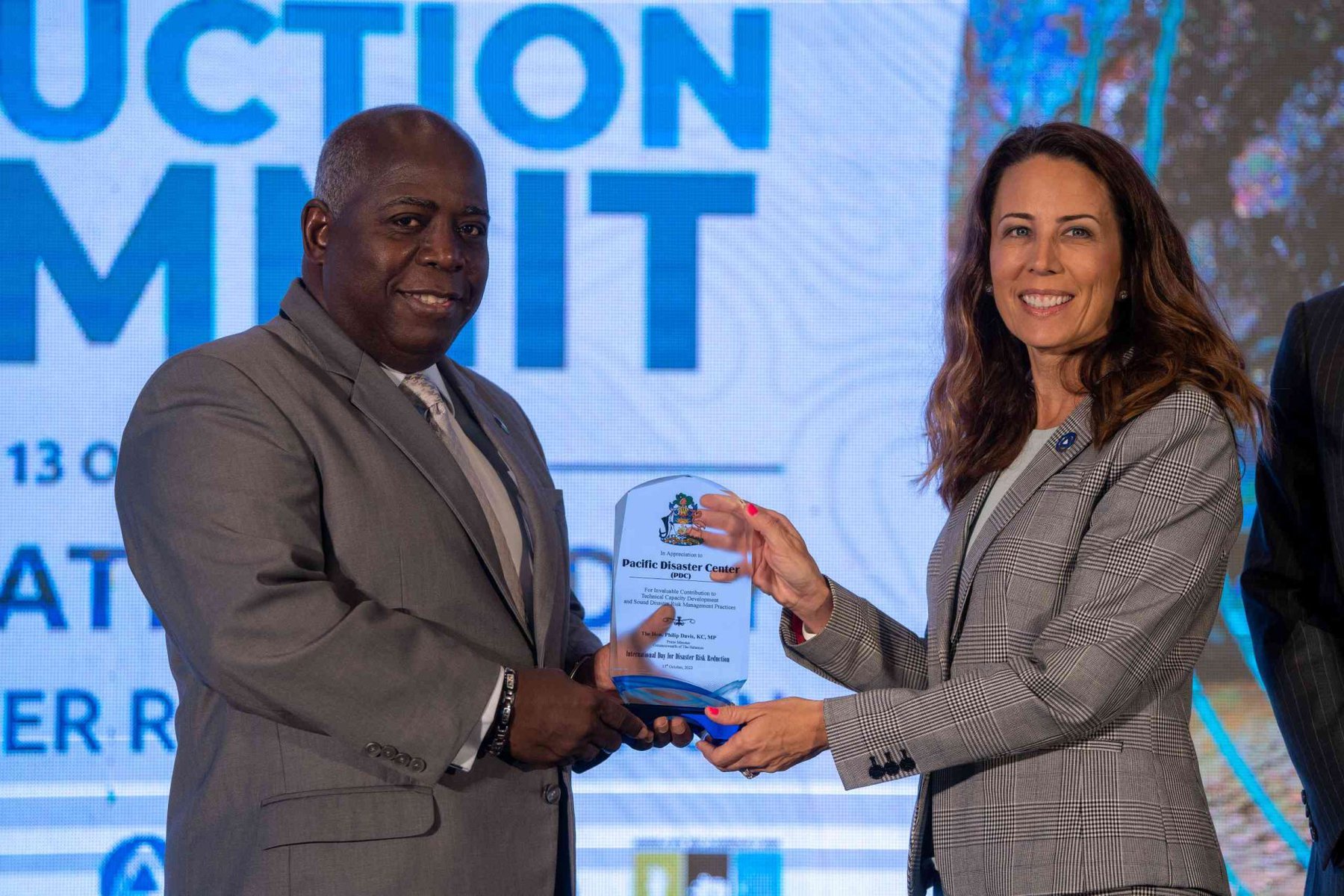
Philip Edward Davis, prime minister of The Commonwealth of The Bahamas, presented Pacific Disaster Center Director of Global Operation Erin Hughey with a plaque recognizing the PDC’s contributions
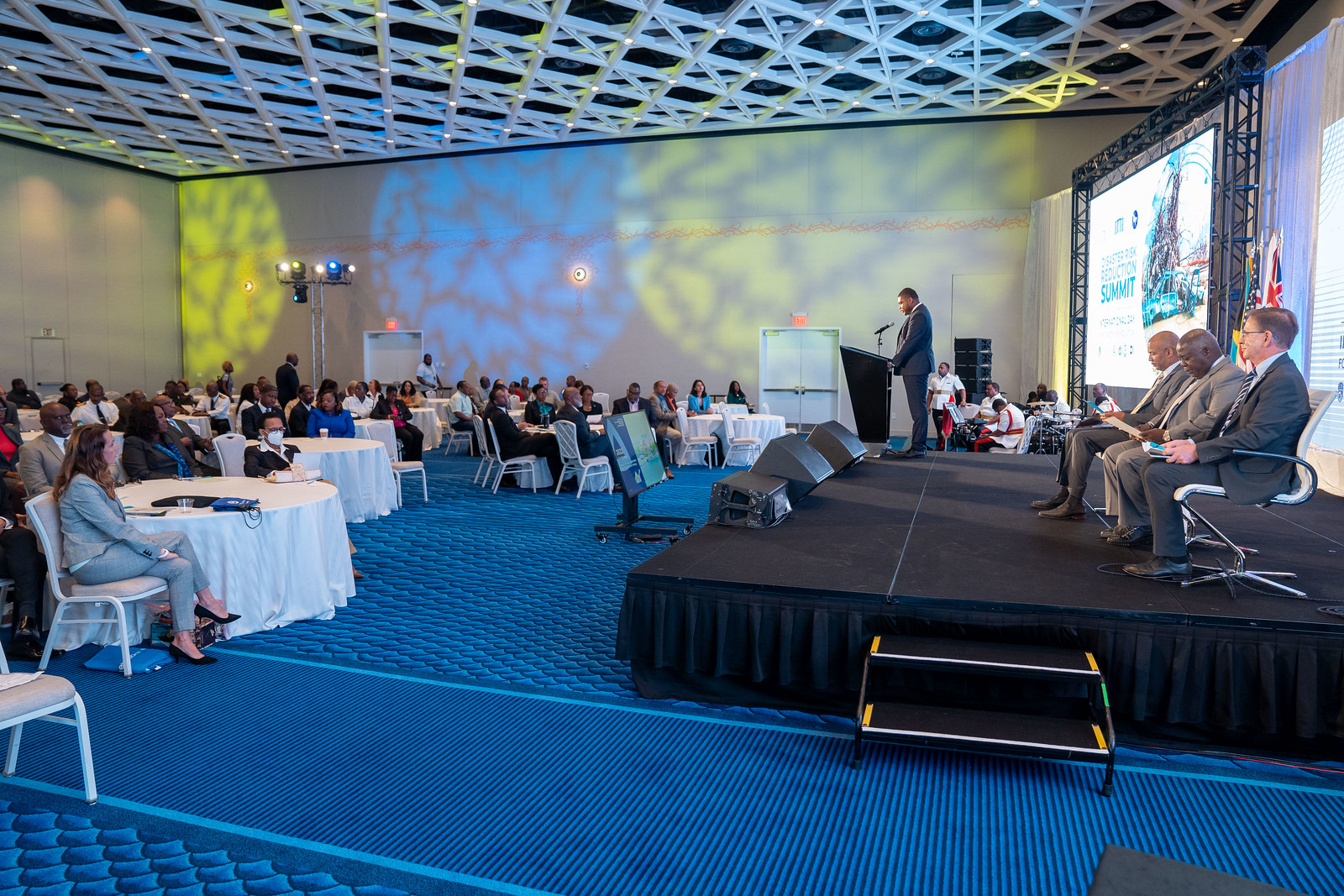
The MOU signing was the signature event at the International Day for Disaster Risk Reduction Symposium held in Nassau, The Bahamas. Following the signing, the Pacific Disaster Center (PDC), a UH applied research center, presented findings from its most recent risk assessment in The Bahamas and highlighted the multi-hazard early warning system known as DisasterAWARE currently in use at the National Emergency Operations Center.
“The advancement in the partnership between UB and UH builds on the long history between our two island communities and strengthens PDC‘s commitment to evidence-based decision making. Academic partnerships such as this are necessary as we collectively work to build resilience,” said PDC’s Executive Director Ray Shirkhodai.
PDC and The Bahamas have been collaborating on disaster risk reduction capacity development for more than two decades—from joint planning and preparedness exercises, disaster responses, and national policies and procedures to the recently completed National Disaster Preparedness Baseline Assessment, which has already garnered international recognition. In May, PDC was named the recipient of the United Nations’ Sasakawa Award for Disaster Risk Reduction for making critical risk information available for operational use and enabling evidence-based decision making through the DisasterAWARE platform.
ABOUT PDC
Pacific Disaster Center (PDC Global) is a leading scientific innovator in disaster risk reduction science and technology. As a University of Hawai’i applied science and research center, our work intersects with government, community, academic, and scientific organizations at home and around the world to build resilience to natural and man-made hazards. We enable communities to confront disasters more effectively by enhancing the capacity to rapidly anticipate and prepare for new and emerging threats using our AI-powered multi-hazard early warning technology, DisasterAWARE, predictive analytics, data science, and machine learning. For more than 30 years, PDC innovations have equipped decision-makers with the powerful tools and insights they need to navigate today’s complex and interconnected risk landscape.
PDC received prestigious recognition from the United Nations for its international impact in 2022, being granted the once-in-a-lifetime U.N. Sasakawa Award for Disaster Risk Reduction.
As El Niño-driven drought and shifting weather patterns increase risks to Pacific Island communities from cyclones, fires, flooding, and other hazards, Hawai‘i and Samoa are joining forces on a National Disaster Preparedness Baseline Assessment (NDPBA) to exchange knowledge and strengthen disaster risk reduction, preparedness, and resilience in Samoa and beyond.
Lao PDR initiative to reduce risk and build resilience gains momentum with Disaster Resilience Worskhop and National Disaster Preparedness Baseline Assessment mid-term review and exchange.
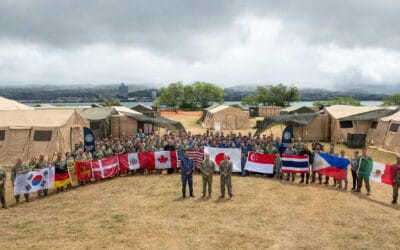
Pacific Disaster Center (PDC), in partnership with the U.S. Pacific Command (US PACOM), and twenty-nine other nations, international organizations, and interagency partners, supported the humanitarian assistance and disaster response (HADR) component of Rim of the Pacific (RIMPAC) 2026…
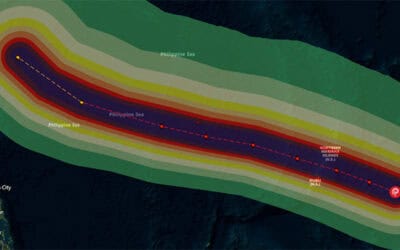
As Guam and the Commonwealth of the Northern Mariana Islands (CNMI) braced for impacts from a second super typhoon in less than three months, the Pacific Disaster Center (PDC) joined regional preparedness coordination and relief efforts…
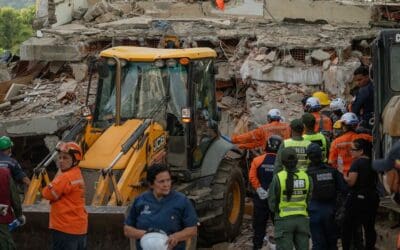
Joining one of the largest-scale relief efforts in history, PDC embedded analysts and its DisasterAWARE technology ecosystem into mission operations to help save lives during response to the event…
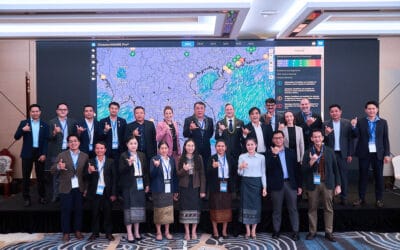
On June 17, 2026, Lao PDR solidified its commitment to building disaster resilience, joining 33 countries worldwide to partner with the Pacific Disaster Center (PDC) on a National Disaster Preparedness Baseline Assessment (NDPBA)….