Assessing Exposure & Vulnerability for Pacific Island Countries
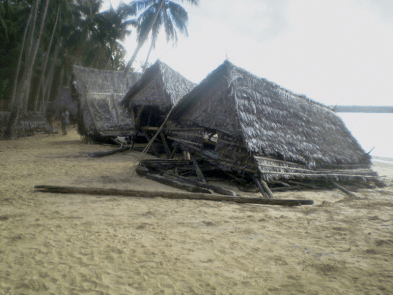
The Pacific region is one of the most disaster-prone areas in the world; it is also highly vulnerable to the adverse effects of extreme weather events, including ocean warming and sea-level rise. To help build resilience to natural disasters and extreme weather events in the Pacific, the Asian Development Bank (ADB) funded the development of a Pacific Exposure Database (PED) containing data on the fragility of critical infrastructure in populated areas.
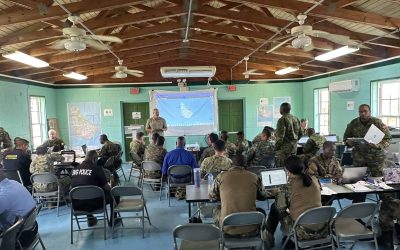
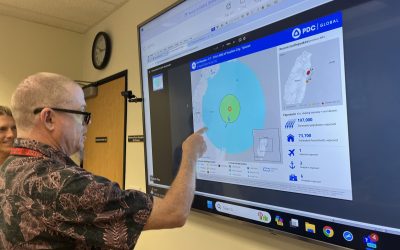
PDC’s support for the PED project included implementing a field data collection campaign, including database development, training of field units, and data processing, to populate the PED with relevant data on buildings and infrastructure. We also led the development of a GIS web portal, which was designed to provide access to all PED data in open source formats. As part of a transition plan, PDC helped develop and facilitate a workshop to train beneficiaries on the use and maintenance of the web portal and integrated it into an established regional organization. Using the PED disaster managers and others working with them can now identify hazards, plan mitigation strategies, and model potential disaster damage and loss scenarios in eight Pacific Island countries: Cook Islands, Fiji, Papua New Guinea, Samoa, Solomon Islands, Tonga, Tuvalu, and Vanuatu.
ABOUT PDC
Pacific Disaster Center (PDC) is a leading scientific innovator of global risk reduction science and technology. As a University of Hawai’i applied science and research center, our work intersects with a variety of government, community, academic, and scientific organizations at home and around the world to build resilience to natural and man-made hazards—enhancing the capacity to quickly and accurately anticipate and prepare for new and emerging threats. Our innovations in multi-hazard early warning systems, predictive analytics, data science, and machine learning provide decision-makers with the powerful tools and insights they need to navigate today’s complex and interconnected risk landscape.