2011 Tohoku, Japan Earthquake, Tsunami, and Nuclear Emergency
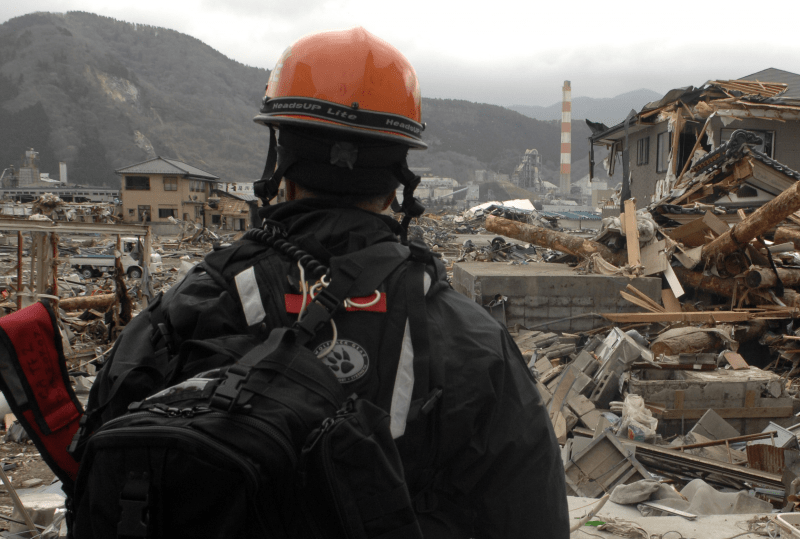
Widespread disasters that devastate multiple communities take a considerable toll on national and international resources. Models and information products that use the most current and relevant information can provide focus for response and recovery efforts. In March 2011, a 9.0-magnitude earthquake struck off the coast of Honshu, Japan. The earthquake generated a tsunami which in turn triggered a nuclear disaster at the Fukushima Daiichi power plant, requiring massive evacuations and negatively impacting economies around the world.
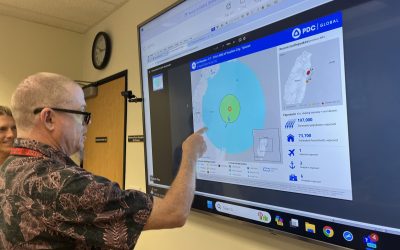
As the tsunami waves spread across the ocean, PDC went into emergency operations support mode. The tsunami warning, officially issued by the Pacific Tsunami Warning Center, and a tsunami travel time map was pushed to disaster managers via PDC applications. The information was also shared with the general public through PDC’s website, Disaster Alert mobile app, and social media channels. In addition, PDC team members immediately began responding to requests for detailed maps and data, rapidly generating hundreds of new products within the first two months following the disaster. The products aided authorities in damage assessment activities and helped response agencies track displaced persons and plot shelter capacity as well as supported recovery processes.
Cover photo: U.S. Air Force by Tech. Sgt. Daniel St. Pierre
ABOUT PDC
Pacific Disaster Center (PDC) is a leading scientific innovator of global risk reduction science and technology. As a University of Hawai’i applied science and research center, our work intersects with a variety of government, community, academic, and scientific organizations at home and around the world to build resilience to natural and man-made hazards—enhancing the capacity to quickly and accurately anticipate and prepare for new and emerging threats. Our innovations in multi-hazard early warning systems, predictive analytics, data science, and machine learning provide decision-makers with the powerful tools and insights they need to navigate today’s complex and interconnected risk landscape.