Asia-Pacific Economic Cooperation (APEC) Uses Hazard Mapping and Risk & Vulnerability Assessment
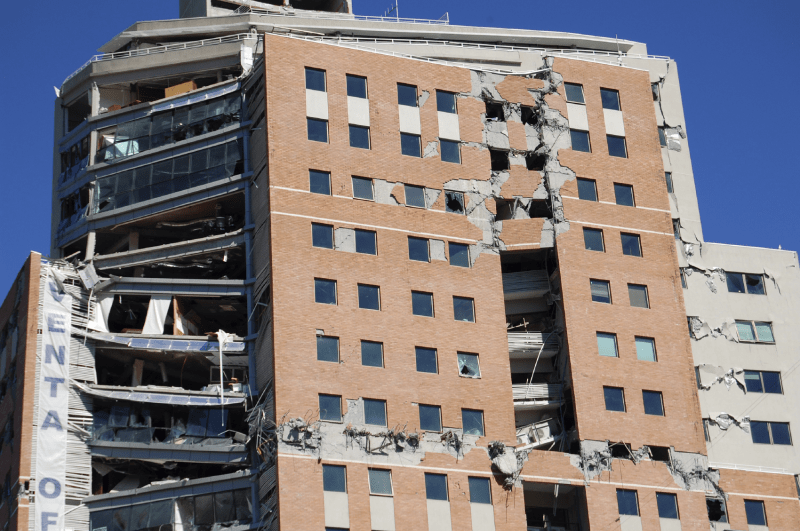
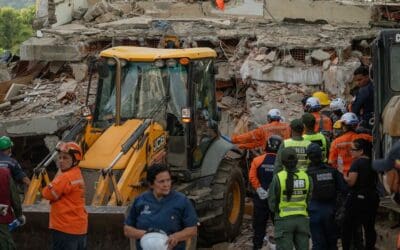
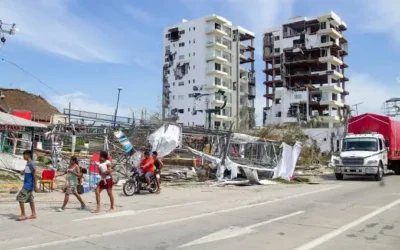
The Asia-Pacific region is especially vulnerable to natural disasters, and experts say the frequency of disaster events in the region is likely to increase due to growing urban populations, and unsustainable land use practices. Hazard mapping and risk and vulnerability assessments can help officials understand exposure and lead to risk-reduction measures that promote better planning and mitigation.
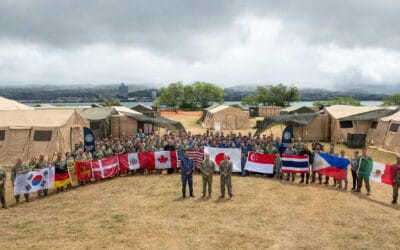
In 2010, more than 50 international attendees representing Asia-Pacific Economic Cooperation (APEC) member economies participated in a Workshop on Hazard Mapping and Risk and Vulnerability Assessment, which was co-organized by PDC and funded through USAID and APEC. Attendees were introduced to key concepts of hazard mapping and were then guided through applied activities such as creating hazard profiles, evaluating risk and potential impacts, developing risk-related messages for specific audiences, and analyzing data using GIS technology. The workshop helped increase the capacity of APEC economies to assess risk and prioritize mitigation efforts to reduce loss of life and damage to infrastructure.
ABOUT PDC
Pacific Disaster Center (PDC Global) is a leading scientific innovator in disaster risk reduction science and technology. As a University of Hawai’i applied science and research center, our work intersects with government, community, academic, and scientific organizations at home and around the world to build resilience to natural and man-made hazards. We enable communities to confront disasters more effectively by enhancing the capacity to rapidly anticipate and prepare for new and emerging threats using our AI-powered multi-hazard early warning technology, DisasterAWARE, predictive analytics, data science, and machine learning. For more than 30 years, PDC innovations have equipped decision-makers with the powerful tools and insights they need to navigate today’s complex and interconnected risk landscape.
PDC received prestigious recognition from the United Nations for its international impact in 2022, being granted the once-in-a-lifetime U.N. Sasakawa Award for Disaster Risk Reduction.